
Understanding the Connection Between Form and Style in Surfing
Surfing is more than a sport; it showcases style and technique. How a surfer blends form, skill, and creativity defines their impact on the sport and culture. Style in surfing isn't just about looking good; it's crucial for performing well. It connects personal expression with the sport's broader cultural significance.
One key figure in the surf community is Devon Howard. He plays a vital role in design decisions at a surfboard-shaping company. Howard works on mid-length surfboards, focusing on fin placements and outlines. He also manages a design library of iconic 1970s surfboards, using them as inspiration. His work and knowledge offer a unique perspective on how style influences surfing.
In this article, we will explore the significance of style in surfing, guided by Devon Howard's expertise. We will examine how style has evolved over the years and its impact on the sport. You'll learn about the shift from traditional grace and fluidity to modern dynamic techniques. We'll also look at how style varies globally and influences surfboard design.
Importance of Style in Surfing
Style in surfing is not merely about aesthetics but plays a crucial role in defining a surfer's effectiveness and appeal. It represents a surfer's unique way of blending form, technique, and creativity. Style serves as a bridge between personal expression and the sport's broader cultural significance.

Photo of Michael February on Stab Mag
Historical Context of Style
Surfing style has evolved significantly over the decades. Traditionally, style was synonymous with grace and fluidity, making complex maneuvers look effortless. This focus shifted over time as the sport became more competitive, emphasizing power and agility.
Style's Evolution and Impact
Legacy and Learning: Surfing style is often passed down through generations. Surfers absorb influences from their predecessors, integrating these elements into their approach. This cyclical learning shapes the sport's evolution.
Cultural Variations: Different surfing communities around the world prioritize style differently. For example, in Brazilian surfing, known as the Brazilian storm, there's a noticeable emphasis on athleticism and dynamic maneuvers, possibly overshadowing traditional style elements.
Comparative Analysis: Comparing surfers like Rob Machado and Joel Parkinson illustrates how style can coexist with competitive prowess. Machado, known for his effortless style, and Parkinson, a blend of competitive sharpness and smooth aesthetics, showcase the diversity within surfing styles.
Style in Modern Surfing
In contemporary surfing, the conversation about style is complex. Style is deeply subjective and varies widely among surfers. It is often seen as making difficult moves appear easy, a hallmark of seasoned surfers.
However, the focus on competitive surfing has shifted some attention away from style, favoring technical skill and radical moves.
The Relationship Between Functionality and Style in Surfing
Style in surfing encompasses more than just visual appeal; it integrates personal expression with the functionality of movements. This concept is not only about looking good but also about enhancing performance through precise and efficient motion.

Photo by Dave Rastovich on Surfing World Magazine
Characteristics of Surfing Style
Surfing style reflects a surfer's personality and approach to the sport. Certain attributes define a surfer's style:
Efficiency: Making movements that conserve energy and maximize wave-riding potential.
Gracefulness: Displaying smooth, flowing movements that appear effortless.
Functional: Ensuring every movement has a purpose and contributes to the ride's quality.
Calm and Focused: Maintaining composure to execute techniques effectively.
Physical Relaxation and Surfing Performance
The physical state of a surfer significantly impacts their performance. A relaxed body facilitates smoother transitions and more effective wave handling.
Proper arm and shoulder placements direct the maneuvers flow, while flexible hips and legs stabilize and steer the board. These elements combine to create a style that is both functional and graceful.
Practical Applications of Style in Surfing
In practical terms, good form often equates to good style. Effective surfing involves understanding and mastering the mechanics of movement.
For instance, precise arm positioning during a cutback can transform a routine maneuver into a showcase of style and technical prowess. Similarly, aligning one's posture for optimal speed—akin to trimming a sail—maximizes control and efficiency on the wave.
Moreover, the subtleties of surfing style, such as executing high-speed maneuvers seamlessly, demand a high skill level yet may appear effortless. This complexity highlights the intrinsic difficulty of stylish surfing, underscoring the depth of skill involved.
The Evolution of Style in Surfing
The concept of style in surfing has undergone significant changes, particularly within the competitive arena, reflecting broader shifts in cultural attitudes and competition criteria.
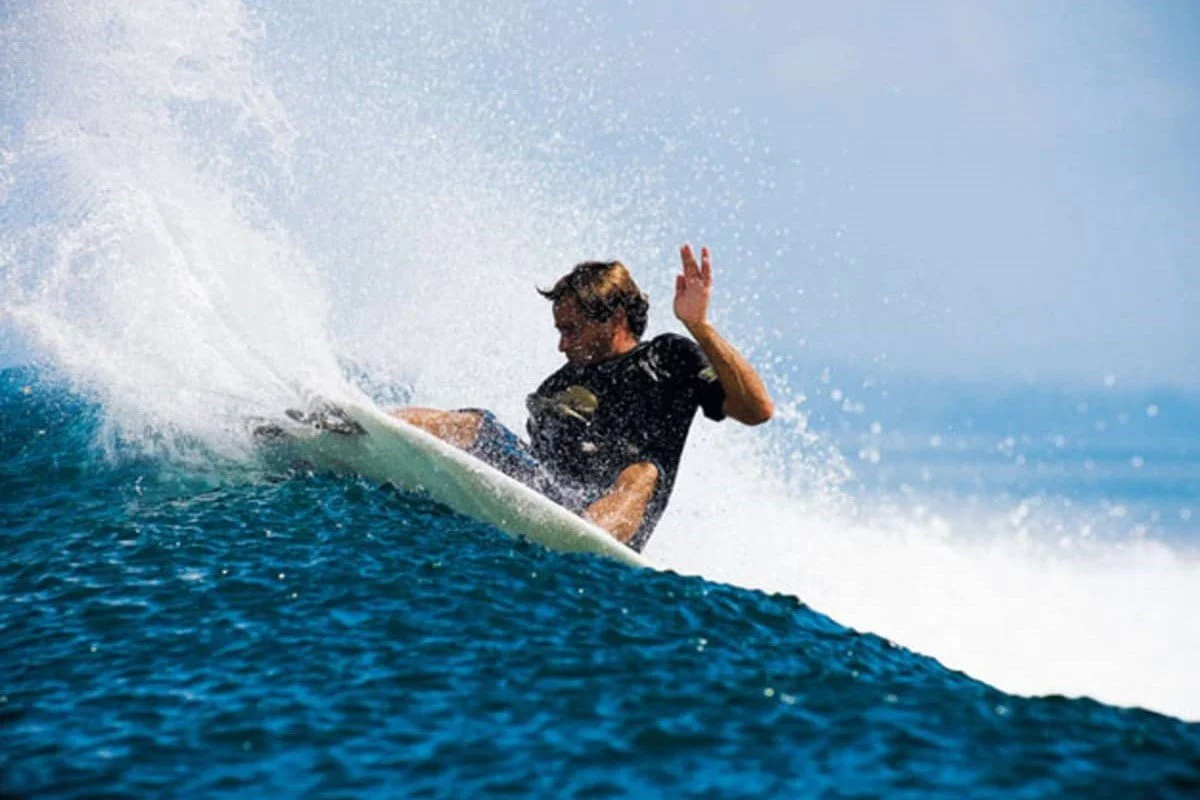
Photo by Tom Curren on SURFER Magazine
Shifts in Competitive Focus
From the 1960s through the 1980s, the appreciation of style in competitive surfing saw a noticeable shift:
Early Days: Initially, the style was seamlessly integrated into surfing performances and was universally respected.
The late 70s and 80s: With the advent of the twin fin, competitions began emphasizing the number of maneuvers over the style quality. This change was driven by the scoring systems that favored technical difficulty over the aesthetic appeal.
Media Influence and Perception
The media's portrayal of surfing competitions has heavily influenced public perception, favoring aggressive maneuvers over traditional, smooth-flowing styles. Despite this, the style remained valued among local and fringe communities, who revered the inherent beauty of stylish surfing.
Resurgence of Style in Modern Competitions
Today, style is regaining prominence, especially in longboard competitions where judging criteria explicitly include:
Style
Flow
Grace
Judges face challenges in scoring style due to its subjective nature, yet the need to appreciate the aesthetic and functional effectiveness of surfing maneuvers is increasingly recognized.
The Enduring Appeal of Style in Surfing
The persistent appeal of style in surfing, much like the human attraction to beauty, continues to resonate deeply within the community:
Viewer Engagement: Stylish surfers like Torin Martin often attract more views than their technically aggressive counterparts, highlighting the public's continued fascination with aesthetic excellence in surfing.
Cultural Reflections: Discussions about style often reflect broader cultural values, illustrating how deeply intertwined aesthetics are with the sport's identity.
The Fundamentals of Form and Style in Surfing
Surfing style is more than just an aesthetic; it's deeply tied to the fundamentals of movement and form. This relationship is crucial in understanding how style evolves from basic physiological movements, like an infant learning to stand.

Photo by Devon Howard on Shred Sledz
Learning from the Basics
The way a baby learns to stand offers profound insights into efficient movement:
Neurological Efficiency: Infants must align their bones precisely to stand and move efficiently due to their underdeveloped muscles. Top athletes, like surfers, maintain this natural efficiency in early human development throughout their careers.
Kelly Slater's Technique: Observing Kelly Slater's posture in surfing barrels, one can see similarities to the instinctive postures of an infant. His calm and relaxed stance in intense conditions highlights an advanced form of this natural efficiency.
The Impact of Proper Form on Surfing
Good form in surfing is not just about looking right; it's about feeling right. Proper joint centration, where the bones are optimally aligned, allows for efficient force distribution across the body. This looks aesthetically pleasing and minimizes the effort required to perform movements.
Style as a Reflection of Form
The connection between form and style is evident when observing any skilled activity, from surfing to skating:
Skating Analogy: A novice skater struggles not due to a lack of strength but poor form. Similarly, surfers who align their bodies correctly find that movements feel and look better, echoing the efficiency of skilled young skaters.
Sensory Confirmation: Surfers often feel that when their form is off, a maneuver might look awkward and wrong. This sensory feedback is a critical aspect of refining surfing style.
Practical Advice for Enhancing Style in Surfing
Improving one's surfing style involves a few practical steps:
Start with Form: Focus on establishing a strong, efficient form. Good style naturally follows good form.
Be Patient: Rushing through movements can disrupt the flow and aesthetics of surfing. Taking time to execute fewer, well-formed maneuvers can enhance style and effectiveness.
Stay Relaxed: A relaxed posture is crucial. Tension can make movements appear forced and uncomfortable, detracting from style and performance.
Video Analysis: Reviewing footage of oneself can help identify and correct form issues, ultimately improving the feel and appearance of one's surfing style.
Conclusion
To wrap up, the style in surfing is more than just a visual statement—it's the heartbeat of the sport. This unique blend of form, function, and flair defines a surfer's identity and enhances their connection to the waves.
Style in surfing has evolved dramatically, transitioning from the graceful, fluid movements of the early days to the dynamic, powerful techniques seen today. Despite these changes, the essence of style remains—a seamless integration of skill and aesthetics that captivates and inspires.
As surfing evolves, the dialogue between old traditions and innovations grows richer. This ongoing evolution reflects changes within the sport and the broader cultural shifts that influence it.
Today, style in surfing does more than make difficult moves look easy—it shapes the future of surfing, encouraging new generations to blend their expression with the timeless art of wave riding. This enduring appeal of style ensures that surfing remains not just a sport but a profound expression of human creativity and resilience.
FAQs
What is the significance of style in surfing competitions?
Style in surfing competitions is crucial as it influences judges' scores by showcasing a surfer's unique approach, fluidity, and creativity, enhancing visual appeal and technical execution.
How does surfing style differ between longboarding and shortboarding?
Style in longboarding emphasizes smooth, graceful movements and traditional techniques, while shortboarding focuses on quick, dynamic maneuvers and aggressive turns, reflecting different stylistic priorities.
Can style in surfing improve a surfer's performance?
Yes, style in surfing can improve performance by ensuring efficient movements, conserving energy, and enhancing wave-riding control, making maneuvers look effortless and effective.
How has media influenced the perception of style in surfing?
Media has shaped the perception of style in surfing by often highlighting aggressive maneuvers and technical skills, sometimes overshadowing traditional, graceful styles appreciated within local communities.
How does proper form contribute to style in surfing?
Proper form contributes to style in surfing by ensuring efficient and controlled movements, reducing effort, and enhancing the overall aesthetic and functional quality of maneuvers.