
007: NATHAN HEDGE - Breaks down Bells Beach & performance surfing.
Available On All Platforms:
Show Notes for The Surf Mastery Podcast: Unlocking Surfing Excellence with Nathan Hedge
How can you unlock more speed, control, and power in your surfing—while keeping the fun alive for decades to come?
In this episode of the Surf Mastery Podcast, host Michael Frampton dives deep with professional surfer Nathan Hedge to explore how the world’s top surfers continuously improve. From mindset and technique to equipment and nutrition, this conversation is packed with insights for surfers of all levels who want to maximize their potential and joy in the water.
Discover the mental strategies elite surfers use to stay focused and in sync with the ever-changing ocean.
Learn how small adjustments in technique, like widening your stance or refining your paddling, can dramatically improve your performance.
Hear expert advice on choosing the right board and how to read waves like a pro, no matter the conditions.
Don’t miss this episode—tune in now to gain valuable insights from two of surfing’s most passionate and knowledgeable voices.
Notable Quotes:
"The ocean doesn’t lie—staying present and reading the waves is the secret to unlocking your best surfing."
"If you’re not falling off, you’re not pushing your limits—and that’s where real progress happens."
"Even a one-inch adjustment in your stance can completely change your drive, speed, and control."
"The beauty of surfing is that no two waves are the same—it’s always an opportunity to improve and connect."
"Great surfing isn’t just about hitting the lip; it’s about reading the wave from start to finish and using its energy."
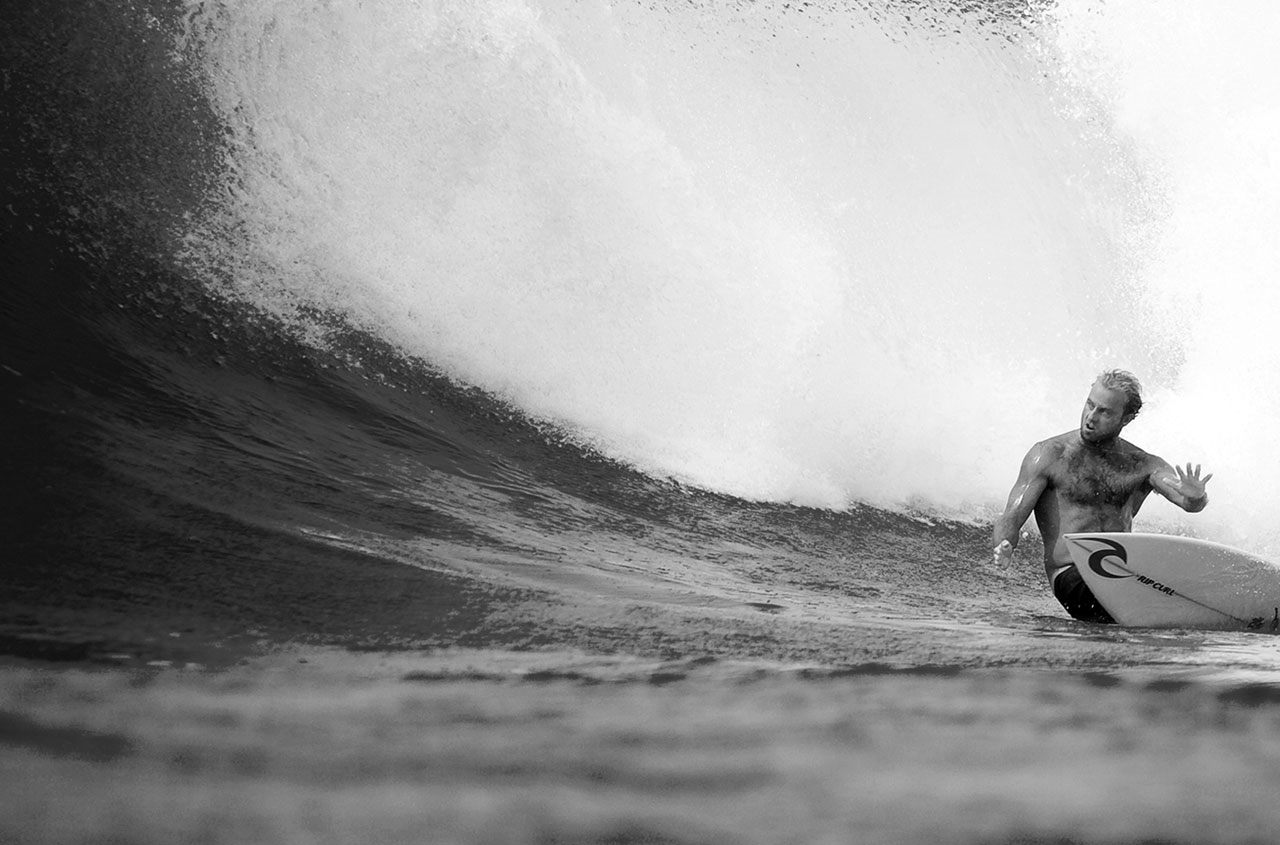
Hedgy talks about surfing Bells Beach, surf longevity and performance surfing. Hedgy is one of the best backhand surfers to surf bells beach and talks about some of the nuances on how challenging it is surf. The speed of the wave and its many different moods, sections and conditions it works in. Rip curl pro bells beach happens every April.
Nathan also explains how he got to such a high level, and how he has maintained his level into his thirties. Also tells us how he bet Kelly Slater in a heat.
Hedgy likes:
http://www.cisurfboards.com/
http://www.salty-crew.com/
http://manlysurfschool.com/
http://www.mattgriggs.com.au/

Key Points
Nathan Hedge discussed the challenging conditions at Bells Beach, including the different wave speeds, buoyancy with wetsuits, and the need for proper rail and board setup to handle the various sections of the wave.
He explained the importance of reading the wave and applying the right turns at the right sections to achieve good speed, flow, and ride quality at Bells Beach.
Nathan highlighted the significance of developing a relationship with a break by surfing it under different conditions and tides to better connect with the wave.
He emphasized the role of equipment choice, particularly board dimensions and foam, in enabling intermediate surfers to progress and have more fun by catching more waves and maintaining speed.
Nathan discussed the impact of his upbringing and the environment he surfed in, particularly North Narrabeen, in shaping his surfing style and exposing him to role models and a high level of talent.
He mentioned the importance of being present and focused in the moment during heats, avoiding distractions, and sticking to a strategy tailored to the conditions.
Nathan talked about the benefits of working on specific techniques during free surfs, such as arm positioning, rotation, and weight distribution, to improve his surfing.
He discussed the role of nutrition, hydration, and being in tune with his body's needs in supporting his surfing performance.
Nathan shared his current favorite surfboards, the Channel Islands Rook 15 and Bobby Martinez MBM models, and their respective characteristics that enhance his surfing.
Outline
Nathan Hedge's Surfing Career Highlights
Nathan Hedge is an accomplished professional surfer from the East Coast of Australia.
His career highlights include achieving a couple of years in the top 10 on the World Tour and placing as runner-up to Andy Irons after eliminating Kelly Slater at J-Bay.
He reached the final in Tahiti, scored perfect 10 rides in Tahiti, Fiji, and America, and appeared on cover shots of Surfing Life, Tracks, and Surfing World magazines.
He featured in numerous surfing films, won a Prime QS event in Scotland in 2007, and placed first in a QS event at Bells Beach in 2014.
Challenges of Surfing Bells Beach
Bells Beach is described as a challenging wave that requires significant experience to master.
The wave's speed varies due to open ocean swells, and surfers must adjust to the buoyancy differences caused by wetsuits and board thickness.
The wave has sections that aren't hollow, requiring boards with rails that can drive through bumps, and reading the wave correctly is crucial for applying the right turns in the right sections.
The wave fattens up three-quarters of the way through, requiring specific techniques to avoid falling off the back, and the start of the wave is fast, allowing surfers to build anticipation before attacking the steeper sections.
Timing and positioning are critical, with surfers needing to be poised like a cat, ready to spring into action, and backwash and refraction from the Bells headland can create chop on the wave face.
Strong winds are a significant factor, often requiring surfers to adjust their technique to avoid being blown off the back of the wave.
Techniques and Strategies for Surfing Bells Effectively
For backhand surfers, positioning is crucial to get the right angle on the wave, while front-side surfers like Joel Parkinson and Mick Fanning can get across the wave faster and sit deeper.
Different approaches can be successful, as demonstrated by Julian Wilson's smooth, big arcs versus Wilko's more aggressive, vertical attacks.
Building a relationship with the break is essential, understanding its nuances at different tides and conditions, and surfers should aim to feel connected to their equipment and the wave rather than overthinking technique.
Putting in time at the break, being 'first on, last to leave,' helps develop this connection.
Wilko's Recent Victory at Bells
Wilko's recent victory at Bells is attributed to years of experience surfing the break, starting from their junior career.
Exposure to Bells through Rip Curl sponsorship, including invitations to surf during the Rip Curl Pro events, provided them approximately 10 years of familiarity with the wave, its elements, and its unique characteristics.
Experience surfing both the Rincon and Bowl sections of Bells contributed to their success.
Mental Game of Competitive Surfing
Dealing with long waits between sets at Bells can lead to mental chatter and cold feet, making awareness of current, lineups, and landmarks important.
Practical aspects like wax choice and wetsuit selection play a role, along with the challenge of the long paddle back out after riding a wave.
Timing sets and understanding wave characteristics, such as how the second wave of a set is often smoother and more hollow, are crucial.
Using psychological tactics, like 'selling' less desirable waves to opponents with priority, and staying focused on personal performance without getting distracted by external factors like commentators or crowd reactions, are key strategies.
Strategic Approach Against Kelly Slater at Jeffrey's Bay
Avoiding pre-heat mind games by wearing headphones (without music) helped ignore Slater's attempts at conversation.
Paddling out further up the point secured the inside position for the heat start, and catching the first wave and scoring a 9.33 immediately put pressure on Slater.
Recognizing the importance of mental strategy when facing a superior surfer was highlighted in this approach.
Favorite Surfboards and Equipment Choices
A Channel Islands board, 5'10" x 18.5" x 2.25", Rook 15 model with a single concave and FCS2 Mick Fanning fins provides more drive, speed, and control, allowing for vertical snaps and maintaining speed through turns.
Excitement about a Bobby Martinez model with a single-to-double concave and a slight V in the tail is expressed.
For bigger waves, an 8'0" Bushman from Hawaii is used, and a 9'0" shaped by Chris Christensen is anticipated.
Understanding board design and working closely with shapers is emphasized.
Approach to Nutrition and Lifestyle
Focus on whole, minimally processed foods and listening to body cravings and needs is prioritized.
Avoidance of fried and heavily processed foods, considering how many hands food has gone through before reaching the plate, and emphasizing hydration, especially since quitting alcohol five years ago, are key points.
Eating frequently throughout the day rather than having large meals and timing meals appropriately, especially before surfing or competitions, is practiced.
Continual Learning and Improvement in Surfing
Working with coaches like Matty Griggs to refine technique, focusing on specific aspects like arm positioning, rotation, and stance, and using video analysis to assess and improve performance are part of the process.
Implementing structured free surfs with specific goals and drills, pushing limits by attempting more challenging maneuvers even if it means falling more often, and recognizing the value of falling as a sign of progression and pushing boundaries are emphasized.
Factors Contributing to Success and Passion for Surfing
Credit is given to their father's decision to move the family to North Narrabeen, exposing them to world-class surfers and the competitive environment which pushed them to improve.
Exposure to diverse wave types and surfing conditions through travel and competitions, and current inspiration from surfers like Mick Fanning, John John Florence, and Connor Coffin are acknowledged.
All-time favorite surfer Mark Occhilupo is admired for their power, style, and raw approach to wave riding.
What Makes Surfing Special
The ever-changing nature of waves and conditions ensures no two surfing experiences are the same, and the ability to continue surfing well into old age is valued.
The challenge of reading waves and adapting to different conditions, the spiritual and emotional benefits of connecting with the ocean, and the importance of staying present and embracing all conditions, finding opportunities for growth in every session, make surfing special.
Transcription
It's given me more speed and more control as well. It's improved my surfing a lot.
Welcome to the Surf Mastery Podcast. We interview the world's best surfers and the people behind them to provide you with education and inspiration to surf better. Today's guest is Nathan Hedge. Nathan is a professional surfer from the East Coast of Australia. Nathan is an accomplished professional surfer who has achieved a couple of years in the top 10 in the tour, runner-up to Andy Irons after eliminating Kelly Slater at J-Bay, reaching the final in Tahiti. Perfect 10 scoring rides in Tahiti, Fiji, America. Cover shots on Surfing Life, Tracks, Surfing World magazine. Nathan appears in a lot of surfing films. In 2007, he won a Prime QS event in Scotland and recently placed first in a QS event in 2014 at Bells Beach. We just witnessed Wilco destroy Bells.
Nathan Hedge
Bells look like a challenging wave.
Michael Frampton
Bells are challenging. Yeah, it takes a long time to get that place worked out. You know, you're dealing with much different speeds of the waves down there too, with the open ocean and where the swells are coming from. And just the buoyancy with the wetsuits on and your crafts, like your boards, the thickness, the foam. There's parts in the wave that aren't real hollow, so you've kind of got a rail, need a rail on your board that'll drive through little bumps and need to carry on. And then it's about reading the wave too, like putting the right turn in the right part of the wave. You know, if you work with the wave and you apply the right turns in the right section, it can be an amazing wave and just look amazing. And you can really have really good speed and flow and have a great ride.
But if you are out of sync with the wave and you're not applying the right turn for the right wave, or if, you know, the bit three-quarters of the way through the wave where it fattens up... and, you know, if you haven't had much experience there, the temptation is to go up high because it backs off a bit and climb the whitewater, but then the wave flattens out and dies off and backs off so much that nine times out of ten, you'll see the surfers that don't know that part of the wave will fall off the back of the wave because it's not pushing them back down the line. That's the first thing you'd really notice. That's like, you always do a mid-face turn for that bit or cut down. So then you're in the spot to go again for that part of the wave.
And, you know, it's so fast at the start that you can build up anticipation for the judges, even for yourself. For that, your high line, get speed and drive down. Then when it gets steep at the bowl, then go vertical. There's a lot of other waves you have to attack. And the first turn straight out of the blocks is that wow factor, whereas Bells isn't one of those waves. You can allow it to build up the drama on that wave and then really attack when it presents. Kind of got to be like a cat, like as far as being poised, and then spring, and then be relaxed again, and then go. So there's lots of different elements to Bells.
Nathan Hedge
Yeah! It looks like there's a lot of like backwash or other waves on the wave as well.
Michael Frampton
Yeah, there is a lot depending on the tides. There can be, because of the beach runs up, there can be chop coming back out or like refraction off the Bells headland that comes back out. The winds are a huge factor too, depending on which wind. Generally, pretty strong winds down there. So it's a lot of adversity there with the different winds. If you get blown off the back or chatter up the face, all those little bumps can slow you down.
And once again, like just doing your turns mid-face or three-quarters of the way up so you don't get blown off out the back, and your fins become disengaged, and then it sort of segments your turns. You can't keep the rail engaged in the water and drive right through if you go up too high. Because once you get out of the top and the wind blows off the back... so you've got to kind of hit the lip maybe a foot under where you normally would. It can feel like a huge difference when you're surfing, but when you look at it, because the spray goes up really high subsequently because of the offshore wind, it can still look really good. But when you're surfing, it can feel a little less critical, but it's effective. So you sort of want to eye off a foot under where you'd normally hit, and that'll put you in the right spot.
Nathan Hedge
That first section looks fast.
Michael Frampton
Yeah, being a backside, I've always... Bells sort of lines up with the steps depending on what direction and what wave of the set as well. Depending on how much line is stretched out, and there's some with an angle out more towards the sea, down towards Winki Pop. And, you know, you can maybe get the slingshot a bit deeper in the steps being a backside guy, goofy footer.
Some of the front siders, like Joel and Mick and those guys, can get across really fast. They might tend to sit a bit deeper, but for the backside, you can get the damage done on the bowl. So it's kind of, you want the slower-paced ones, the ones that allow you to do the surfing that you know you can do. There's so much innovation, different turns now, and a lot of the same surfing can be done. But I mean, we saw a prime example with Julian and Wilco. Julian was probably a bit smoother and did some big arcs and read the wave really well, whereas Wilco was able to get a bit more raw and really attacked it and was able to get up vertical, and it was a different sort of... it was a real animal approach to it.
You can get your chest up to the lip, open up, really square up to the lip, and then, you know, you get vertical, whereas it's a whole different look. So yeah, being a backside, we try and look for the right paced waves, and that just comes from years of surfing out there and trial and error and reading the ocean and then knowing what tides and getting a relationship with the wave. I think that's one thing that is always underestimated and something that's probably not looked at enough is that relationship that you have with the break and getting to know it well, the insides and outs, and different tides, and getting a relationship with it so you connect when you're out there.
I know for me personally, when I'm having my best surfs, it's when I'm not really thinking about things but I'm more feeling. And so if that's about my equipment on my board, I generally don't have one of my better surfs if I'm too busy thinking about what I'm riding. It'll be those surfs where the board feels like an extension of myself, and I'm not thinking too much about, "This is a concave," or, "Those big fins are feeling better," or it just feels like a part of you, the board.
So I think that comes into play when you're out at certain spots, and it's through putting the preparation and the timing at the break. So when you get there, whether you're free surfing and you're there for an event and you just wanna surf that wave better, or that wave excites you, you wanna get to know the wave, or you just love surfing there, it's about putting the time in and knowing all the different moods. Yeah, I always like to say, first on there, last to leave, and just all the different faces that it has.
Nathan Hedge
So, surfing that break, no matter what the conditions are like.
Michael Frampton
Referring back to Bells, it has a lot of different faces. Like, if you watch the Rip Curl Pro from start to finish, there was like, I don't know, there's probably five very different conditions out there. And if you just turned up and you hadn't looked at the first handful of days of competition and you just turned on the webcast to that second last day, it was like a totally different wave, so much deeper. And because it was groomed, it was like a really fast, long-breaking point wave, more of a J-Bay setup. And then the other days were so stormy and so many bumps and lumps, and it was just so much more challenging the other day.
So each wave has got that too, with different tides and moons. And so, there's a lot that goes into it. Yeah.
Nathan Hedge
How many hours do you think Wilco is putting down there to get the result he got?
Michael Frampton
I think with Wilco, we had a really strong junior series tour going on when we came through. Wilco is... I'm 36 now, Wilco's probably maybe eight years younger than me, something like that, six or eight years younger, I think. I don't know for sure. Really strong junior series growing up, and Wilco would have been part of that. We always had an event at Bells, and being a Rip Curl-sponsored rider, we'd always get invited to go down and surf Bells in and around the Rip Curl Pro.
So even though we weren't in the event, we'd do expression sessions and we'd have photo shoots. And if the comp would get put on hold, all the young, talented, sponsored kids from Rip Curl would go out and have a flare-up out there. And we'd get brought down to the event and go over and surf Corsair and Winki Pop. So I'd say it's been a long time spent out there for Wilco through the junior days and through Rip Curl, maybe a good 10 years of being exposed to the elements and the wave and the speed and getting a general feel for the place. And within Bells, you've got the two breaks as well, Rincon and then the bowl.
Nathan Hedge
We don't realise sometimes how much stuff goes on behind the scenes. Now we see the highlights, we see the heats, but a lot of hours went into Maddy spending time out there, and yourself obviously, to get the worm out there. And would you say Bells kind of feels almost like a home break for you?
Michael Frampton
I'd say so. It's part of Australian surfing, and I spent every Easter there from about... I was sponsored by Rip Curl at 13. I went down every year. I missed a couple of years when my Rip Curl contract stopped, but I think I did probably 15 years straight every Easter. I was either in the event or doing something at the event.
So as far as how much time I've spent there in my adult life, my adult surfing life, it does feel like a second home, especially at that time of the year. And I do have a good relationship with the wave. I think just being a backside surfer, it really allows for good backside surfing. And yeah, getting to see so many battles, a lot of my heroes and mentors had a lot of really special moments and big highlights at that wave at Bells.
And then I ended up winning a QS there a couple of years ago through... I mean, I surfed well, but I think my experience was what got me there. Because we had a few days at Jan Juc and a few other waves and a couple of early rounds at Bells, but then the final day was back at Bells. And I just knew which were the better waves, the second waves of the set on this day, because the first waves were a bit bumpy. And in a heat situation, there can be some tendency to get a little bit erratic. And if you've been sitting a while, which down at Bells happens a lot because there's a long time between the sets... because down there, you get to know that there aren't that many little wind swells. It's more... they come from a long way away, the swells. It's the bottom corner of Australia.
So the swells can take... the sets can take sometimes eight or nine minutes to come in. So there can be a long time sitting out there. It's a lot of mental chatter that goes on. You can get cold feet. So you've got to be really aware of where you're at mentally when you're sitting there. Then you position the lineup. Is there current moving up or down the point?
You know, where's your lineups, your landmarks? Have you even just... real basic stuff, like have I chosen the right wax for my feet when I get up? Is it going to be tacky enough? And have I chosen the right suit? Nutrition-wise, it's a huge paddle back out. There's, you know, probably like a four or five-minute paddle back out, depending on if that last bit's closing out on the shore and how far back out you want to get. But that all comes into play as well.
So yeah, timing the sets and knowing that the first one, because there hasn't been a wave for so long, there's a lot of chatter on the face and a lot of water in the bowl section. Whereas if the first wave comes through, it draws a bit of water off the reef and then that allows it to be shallow for the second wave and it'll be a lot smoother and more groomed on the face. So it'll be a bit hollower. So that's one of the things with Bells and reading there that you want to try and optimise is getting that smooth, little bit hollower wave.
So that helped me on my win there. Suckering and selling the first wave to the other guy who's got priority and really selling it to him. Playing mind games, looking at him, looking down the line and kind of putting that froth on, like, "Are you going? Are you on this one?" Like, without saying anything, but you can read the body language. Kind of looking interested and trying to sell it to him.
You know, that helps out there too. And that's a big part of surfing. You want to try and be on the best waves. And if you don't have priority, we'll try and play that game where you sell them into a crappy one and you've got the good one behind. I mean, we do it with our mates when we surf. This is a good mate. You want to be in a real sharing sort of mood.
So you go, and you're stoked for him to catch a wave up. We do it as surfers anyway. You know, when you're paddling back out and you see someone else on a better wave, you're like, "Damn it, should have waited for that one." Or sometimes you have an intuition or a feeling that wave's coming, but if you get a bit antsy and you just take off because you've been a bit impatient, but you kind of know it's not really what you've been waiting for. I think that's been a big thing in competition surfing for me.
Like, why should it change? I know what a good wave is when I'm free surfing. So I need to apply it in a heat situation too, despite what the commentators might be saying. "Hey, Fanning just caught a nine. So now, Nathan, you need a 9.8," or putting those pressures on, or how, "Hey, there's only four minutes to go." Pressure's outside, you know, and talking about maybe ratings or hearing the commentary of Mike doing a huge turn on the inside and then going, "Wow," and hearing the crowd blow up.
So, trying to silence that and go, "Okay, I know what my task at hand is. I'm trying to better my 7.5. I need this score," and just trying to really focus on that. Like, what's my mission here and block all that other stuff out and then pull the trigger on the right wave. And then surf it, surf it really well, you know. It's pretty interesting.
Nathan Hedge
Is it the same for the mind chatter that you see it as? Like, do you have to kind of gain your focus or take your focus away from whatever mind chatter might be going on if you're sitting out there waiting? What do you focus on?
Michael Frampton
Yeah, I mean, see Slater, you know, he'll tap the water. He'll splash the water. And I mean, I'm guessing that brings him back to now, something that you see visually on the webcast, and I've had him do it beside me in heats. And he'll get in your space. If he's got the upper hand, he'll get in your space to try and let you know that he's there. And he has such a presence and an aura and all that.
Anyway, he goes, it's Slater. So he will play those games and come and get close to you. So he gets in your head to try and take you off focusing on what you need to focus on—your own performance. And he's been able to utilize that for years. Guys have caught onto it the last handful of years, but I think for a good decade there, he was able to have that effect on people. Speaking from experience, the one time that I did beat him, I didn't play into his games.
Like, before the heat, he tried to come up to me on the boardwalk at Jeffreys Bay and come and actually talk to me before the heat. And I'd known from some of the stuff that Mick had told me about and seen before that that's the kind of stuff that he would like to do, even before paddling out. So I had my headphones on. There was no music on there, but I had the headphones on to make it look like I had music. And he came up to talk to me, and I just didn't reply. I just didn't answer him at all because I knew that he was trying to bait me, to try and bite on something, try to talk about something.
And then I'd known that he doesn't like someone to put a really good wave, a first wave, on him. So I knew it was paramount for me to beat him because Kelly was a better surfer than me at that time. He was Jeffreys Bay's clear favourite. But I knew if I was going to beat him, I had to be a bit smarter and put my strategy into place. And that was to rattle him on the first exchange. And that was... I had to attain the inside position.
So I paddled out much further up the point, up at Boneyards, and then came down and timed it really well when the heat started. And rather than him getting the first wave, I got the first wave, and I surfed it really well and did a big closeout turn, and I got a 9.33. And that immediately put the pressure on him, which he normally likes to get a good start.
And then it's like, whoa, Slater's already ahead, you know, and it rattles a lot of people. So the one time that I beat him, it was about getting the upper edge on him mentally. He's not used to it because a lot of people would lie down. And yeah, the three times I surfed against him, he smoked me the other two, but that was one time that that mental strategy and applying it and backing myself and rolling the dice, but knowing... having a plan, sticking to it, and then executing it was a successful recipe for me to get the result I was after.
Yeah, so a lot goes into it.
Nathan Hedge
And if you reversed the situation, what would you do? Like, if Kelly had caught the first wave and he maybe had got you thinking about something else before you paddled out, would you have a strategy to get you focused on the now?
Michael Frampton
Yeah, good point. I think it would be important to then really narrow the focus, because externally, you can get so much stuff coming in, whether it be at the event or different things that affect you. Could be where you paddle out, or it could be, hey, there was a huge set before the heat, stuff that gets thrown at you in the spur of the moment that you've gotta bring yourself back to the now.
And with Slater, if it had been a different setup for me, I would have had to just really narrow the focus and put the blinkers on and just get real basic in my approach, like, okay, I'm paddling now. Here's a wave coming. I'm taking off. I'm doing my bottom turn. Now I'm doing my top turn. Now it's the next bottom turn.
Really bring it back to simplifying each, keep doing all the little things right, and that would turn into a bigger thing. I think that's what probably helped me the most, is to focus on those things. Yeah, just try and get really present. Had it been tables turned, I'd just, yeah, get really present with what's going on, because then you're in sync with what's going on as well, with what waves to catch. And it's always changing, the ocean.
So unless I'm in tune with what's happening right now, if I'm back in thinking, well, he's got the first best wave, or if I'm thinking ahead to what might be, I'm not gonna be in tune with what's right in front of me. So then I might pick a crappy wave, or I might sit too long because I'm thinking too far ahead, whereas if I'm in the moment right now, I'm gonna have a better chance of knowing when to pull the trigger because I'm instinctively in tune with that, and I'm in the moment with it.
So it's a tricky one, but yeah, I think that's what the best competitors are able to do. They're able to, you know, it's sort of like that... you hear of guys being wave magnets, or certain guys that are, they just get the best waves, or they've got that X factor. And I think in surfing, it's about, yeah, having that presence and connection, and then applying your recipe too, like knowing what your strengths are and knowing how you're gonna be able to beat the other person, and then sticking to that.
You've gotta be flexible and be able to change and go to plan B or even C, but it's knowing when to make that change. How long do you sit for before you go to plan B, or read the play well enough to know what strategy to apply to what conditions in what wave location and what scenario?
That's all it really is. It's just about applying the pieces of the puzzle to which scenario, and which is the right one, because the right one might not be the right one for the next setup. Then you go, okay.
So it's sort of like, you've got a bag of tricks, tools, and then you've gotta apply it to the right scenario. So there's no point being the patient guy if it's about rolling the dice, if you're in conditions where you need to kinda roll the dice on a few waves and see which ones eventuate because they double up on the inside. And some of the waves at Snapper, you'd see that takeoff, and they wouldn't be right there at the start. You'd have to sort of roll the dice and catch a few waves because the inside section was the money section. It would stand up and get steep. It was down in front of the judges.
And so, a lot of the time, it's about rhythm and getting in sync and just rolling the dice on a few waves and getting that, building a house, kinda, so to speak. And there are some other wave locations and scenarios where I have to be on the best waves because that's how I'm gonna beat my competitor. Because I need to be on the best waves. My point of difference is this, so I need to get these waves to show that turn.
I can't take off on the same wave as this guy over here because I'm not able to do what he's doing on that wave. Unless you're someone that's so well-rounded and can do everything, which is what we all aspire to, and it's always a progression, and we move towards getting better in many areas. But for me personally, it's just about knowing my strengths and then trying to fine-tune and improve the weaknesses.
And yeah, there's a lot of heats I’d maybe not get through by 0.5 or maybe less than a point. So it's just about trying to get a little bit of improvement in each different aspect of riding a wave and my performance and my technique that would give you that extra half a point. It's not a big thing, but it's a lot if you are or you aren't getting through.
Nathan Hedge
So you're still trying to get better at surfing?
Michael Frampton
Yeah, it's amazing. I still feel like I'm 13 now, 14. I guess then I probably wasn't even working on surfing and loving it. But there's a number of years where I think I probably got a bit lazy or a bit complacent or just kept surfing and wasn't really driven or didn't have a great passion for improving my technique and my surfing. I just, I got a little bit complacent with it. But now I'm really enthusiastic about learning and trying to improve my surfing in so many different ways.
And, you know, like I'm not much of an air guy. I haven't been up to this point. I've struggled with airs in the past, and now I'm open to trying a few. I'm not gonna be an incredible air guy, but I can still introduce it in different areas of my surfing. And, you know, there's so many things just with my technique that can be improved. I've got great foundations in so many things I'm already doing right, but there's always so many areas of improvement.
And I've surfed for 36 now. So I started when I was about five. So 30 years or so, and I'm still getting better now. And, you know, some of my mentors and guys I look up to—Shane Dorian, Luke Egan, Tommy Carroll, Matty Granger—they've gotten better. And I think it's a bit of an illusion.
Like, if you're a pro surfer, you probably stopped at your mid-30s back in the day. And it was kind of like you had a use-by date. And now it's been... that idea's been smashed to pieces through guys like Slater and Dorian and just guys you see out in the water now. I guess with more education and awareness and improvements in and out of the water, and diet, and all the things that are contributing to guys being able to surf better for longer—and equipment, knowledge. So it's pretty exciting.
Nathan Hedge
Yeah. You'd mentioned technique. Do you have someone helping you in that regard?
Michael Frampton
Yeah, Matty Griggs is helping me with my technique at the moment. Andy King as well up at the high-performance center. Matty Granger as well. Love surfing with Matty. Probably Matty Griggs at the moment's been really helping me with my technique—where I'm looking, how long I'm holding positions, and why I'm not getting as low here.
And you're bringing your arms through. How come you're bringing it through so early? You sort of need to hold that arm back and spring it through later so you get the full rotation. If your hands have already come through a bit too early, we've lost... you're losing that full rotation through the movement.
Things like this that long-time conditioning, you just do. You kind of want to break old habits and old pathways that you're used to doing. So it takes a bit of getting used to. And some surfs, it'll feel so foreign and feel weird. If you come in and watch the footage and the analysis and watch it and there's more spray and it looks more dynamic and it actually looks better, you go, okay.
So that's all right. So it's important to do the video work as well. Make small changes. Like if you put your front foot forward, maybe one or two inches, it feels like one or two feet. But in actual fact, it's a small change, but it changes the whole setup where you can actually change the weight distribution, where you're coming off your back foot and your front foot, which we're constantly doing in surfing.
So if you come onto the front leg, you can actually drive off that front leg, and it actually engages your hips more. So you've got more power coming from the thrust and the rotation. Whereas if you're on the back foot too much, you're just relying on the back foot and the fins, and you're more pivoty, which can work in some ways.
But if you spread your legs a bit, move your front foot forward a couple of inches, when you move forward, you can drive that hip forward, which then gives you that power to get up into the lip and things like that. So there's so many things that I'm just looking at now, improving. My stance got really narrow for a while there. I don't know why. I think maybe the shorter boards or maybe my style, a few things changed, but my stance got really narrow.
I noticed the foot dents on my boards are getting really close together. And I got a bit of help and feedback from a few guys that I trust and that know me and have seen my surfing for a long time. I didn't take too well to criticism before. I was quite prickly around someone telling me what might be good for me. I didn't really wanna hear it. And I was a bit closed-minded and got a little bit negative to constructive criticism, which is what I needed, but I didn't wanna hear it at the time.
So now I'm a bit more open to learning and hearing what's gonna help. It has for me, yeah.
Nathan Hedge
A one-inch change in where your front foot is makes that much difference?
Michael Frampton
One to two inches, yeah, it can mean a lot. If you think about that over your weight distribution over your board, when you go to drive off that front leg, you can get so much more rail in the water when you're forward, and the power comes through the midsection, through your core. So you actually can engage your hips that way. Whereas if you're on the back foot too much and your stance is really narrow, well, you've only really got your back leg to rely on. You don't have that forward motion.
So if you look at it like, levelly on an axis, or if you draw a few lines, you can't possibly drive down and out of a turn and engage that rail if you're too far on the back foot. So you're gonna get this stop-start, and it's gonna segment your turns.
I mean, it's a very fine line, and it'll take a while to work it out, but yeah, it's gonna mean that you've got more drive through the turn. And then even if you wanna blow the tail out and then come onto the front leg for a moment of time before you either spin right around or come out of that, you’ve got more balance because your front foot is over that part of your board. So you can actually spin off that belly part of your board or underneath the chest part of your board and turn around or whichever way you might wanna go. It just feels more stable. Whereas if you're too far on the back, more inclined to fall off or spin out, it gets segmented. That's probably the best way I can say it. It's really segmented.
That's what's helped me anyway. It's definitely allowed me to engage more rail earlier and hold the rail for longer, which has meant bigger turns for me. It's meant more spray. It's meant more control because I'm not falling off as much. I've got more stability with the wider stance.
And it was something for me I never really picked up on or could see. It was good having outside help. You see guys like Adriano De Souza, Maddy Wilco, they've got really wide stances. You know, and you look at some still photos, like images you see on the wall, and you'll have a look and the stance is really wide. And I was looking at my stance, I was going, hang on a minute, things are pretty narrow here. I'm gonna get things wide. It's taken me probably six weeks to get comfortable with this stance being wider. And then within that as well, you know, I had a knee, an issue with my back knee, which is a knee that gets down really low to the board for me, and had a lateral meniscal tear.
So that's something that needed to be addressed as well because in my mind, pain-wise and subconsciously, I haven't wanted to get down really low or put my knee in that vulnerable position because I've been fearful of injury and hurting that knee. So I think having a more upright stance and narrower stance has probably felt safer for me. But now that I've got six months post knee operation, getting some more strength back into the knee, I'm trusting more to go into that zone of where it's at full extension and fully loaded. So it's all linked. So right now I'm working on leg strength and widening my stance and feeling like a little kid because it's all new. At 36, it's new. I've been doing the tour for 15 years, but it's new. Keeps it fresh.
Yeah, it keeps it fresh. Having someone in your corner that will tell you how it is has been a big help too, you know? Yeah, it gives you something to work on in your free surf as well. I’ll find unless I'm really disciplined and I'm working on something in my free surfs, I can just surf. I think it's important to sometimes just surf and have fun, but it's been really good to have things to work on in your free surf.
Well, for me anyway, because unless I'm really disciplined and I've got... say if I go for an hour-and-a-half surf, I'll have a half an hour where I'll just work on technique. If it's my forehand for the first half an hour, I'll really work on, okay, how soon is my arm coming through rotation with my turns and really be disciplined on each wave. That's what I'm focused on. And the next half an hour will be only getting the set waves, having best two rides. So even though I've got some froth on and I wanna catch every wave that comes through or try and make something from this one that looks fun, I'll have to be disciplined and sit there for half an hour, and I'm only allowed to catch two waves. And it's really hard for me to do. I've struggled with it in the past.
And then the next half an hour will be all my turns are gonna be like 110%. It doesn't matter if I fall off because I've had a fear of not being good at things before or not trying things because I don't wanna look silly. So that's been something that I've identified in my surfing. That falling off was like, not a failure, but it just didn't look good, and it meant you weren't good. And that's this mindset that I had.
So I've had to smash that and get encouraged that if you can surf beyond your means and do these huge turns and it's actually a good thing to be falling off because then when you spring it back and scale it back maybe 10–15% where you've got a little bit more control, you're still doing a bigger, more radical turn but you're doing it with a good completion rate.
So there's an hour and a half of productive work that an hour and a half's free surfing I can't really get. So there's things like that I can improve on a lot as well, having some structure around your free surfs.
And maybe going down to Colorado and surfing a closed-out wave or a mushy wave. It's not really ideal, but it's gonna be conducive to the Japan event in six weeks. Going surfing a wave you never surf because if I paddle out North Narrabeen every day, I'm used to that, and it's my comfort zone and it doesn't really push me.
It doesn't push me and get me out of my comfort zone like some other places will do. And that's what it's about when you're reading new waves and competing, going to different places and trying different stuff. It's about getting out of your comfort zone and trying new stuff.
Nathan Hedge
Yeah, so if you're not falling off, you're not pushing the limits, and therefore you don't know your limits.
Michael Frampton
Yeah, I mean, it's a good thing to not be in a habit of falling off too much because that can mentally be pretty crushing. And now I'm a competitor, and I'm doing the tour, so you can't fall off because you don't get scores. But to improve your surfing, if you're not falling off, it's probably something worth looking at there because you're either not going hard enough or, yeah, you're not progressing.
I mean, if 10 waves, you should be falling off maybe at least three or four of those rides, just to put it simply. Whereas with me, I could not wear a leg out, so I wouldn't even lose my board. Which is good because I'm so low, I get so low to my board. I'm a smaller guy, so a lot of the times I'm not too far away from my board. I can manage, even if I am falling off, I can grab it, or it doesn't end up too far.
But it was definitely an area that I had to look at because what was it that I didn't want to fall off or how come? Is it because I didn't want to hurt my knee or is it because I didn't want to look silly? And to be honest, that was a lot of it. I didn't want to look like an idiot.
Yeah, so it's stupid to worry about what other people think because it's a robber. It just robs you. Everyone surfs different, and everyone's there to get better. And that's a good thing about surfing. My best wave's gonna be different from the next guy's best wave.
Nathan Hedge
But even if you allow yourself half an hour, right, I'm gonna go hard, I'm gonna fall off, I don't care. Then at least it's not programmed into your habits of every 10th wave I fall off. If you focus, okay, 20 minutes clean surfing, 20 minutes of go for broke, don't care if I fall off.
Michael Frampton
Yeah, I mean, you're actually succeeding because you are falling off because that's the heat drill. That's your technique drill that you're doing, is to actually go 120% at it. And if it just means a forehand snap, well, if you're going up and you're kind of cutting under the lip, well, how about a full wheel curve, fins free? You know, a thing where you're fully sliding the tail. You might fall off, you know, a lot of them, but then the next session you'll go and you'll just scale it back 10–15%, and all of a sudden you're actually handling those ones.
So you've done a better turn, a bigger turn, a more radical turn through applying a bit of discipline through a technique drill. So that's a pretty good one too.
Nathan Hedge
Yeah, and you often surprise yourself as well.
Michael Frampton
Yeah, you probably end up, you know, a couple of waves where that board lands up under your feet again, and you keep going. And you'll be looking around for your mates on the beach with hands over your head going, "Did anyone see that?" Yeah. Matty Grainger likes those ones.
Nathan Hedge
I think we all like them. That's what keeps us coming back. So you've done a lot of coaching as well. What's some of the biggest mistakes you see in the people you coach?
Michael Frampton
Biggest mistakes for, probably for kids, is that they watch these surf movies, and they'll paddle out and they'll wanna skip the fundamentals and the basic things to learn. And they'll wanna go out and just do huge airs and do the manoeuvres that they're watching on the videos where they haven't got the basics yet.
I think a common problem that I see when I coach people is that their equipment, especially their boards, they've gone too short, too narrow, they've gone too high performance too early. Whereas I think when I was growing up, it was kind of that North Shore movie. You had to surf longer ones down, you got a gun, a longer board, which encouraged you to use your rail and to use the power of the wave, move your feet around, and actually use and harness the power of the wave and use the board.
And you'd come down in your board length once you got better eventually, but you sort of started on longer boards—better for paddling—and you can pick up the waves easier. I think these days, the mistake can be that you want something that looks good, or it's gonna be fast, or going to the shop and maybe the guys sold them something that's a new model that might be worth 750 bucks, 800 bucks, because it's a good sell, but they haven't actually had a look at how that person surfs.
It would functionally be smarter to sell them a board that's gonna be functional, get them into surfing, and they're gonna be coming back in and buying more boards and getting leg ropes and things, and actually keeping them there. And so, I mean, I'm drifting off a bit, but probably, yeah, biggest thing would be equipment choice, and you're running too short of boards.
Because I think that to have the fundamentals of engaging the rail and drawing bigger turns, it's gonna help your surfing overall, rather than being too scatty and really just surfing the top third of the wave. When you've got a bigger board, you actually need to paddle right in, go to the bottom turn.
And then, you know, because you've got a longer board, you're gonna draw out a bigger turn, which I think helps you read the waves properly. And just the fundamentals of coming off the bottom turn. If you're on too short a board, you kind of have a tendency to just do two or three little bottom turns and then go up into the lip.
Whereas if you've got a longer board, you've kind of got to stay over your board. You've got to get down low. You've got to look up where you're going, use your arms to get up there. It's all very sort of subtle, but it makes a big difference.
So I think, yeah, with the grommets especially, they'll wanna go two, three steps ahead from where they probably need to be.
Nathan Hedge
And what about the self-taught intermediate surfers you teach?
Michael Frampton
Yeah, it's gonna sound pretty basic too, but a lot of it's with the paddling. A lot of the stuff we see is people not paddling into the wave hard enough. That first paddle into the wave and that first pump off the bottom turn is a huge part of setting your wave up and then surfing a good wave.
I think people learn to paddle and they think all that bit's done, and then it's kind of overlooked. So there's like a big part that, with intermediate surfers, you actually need to put your head and your chin right over the nose of your board and get down low. Really, because your head's got a lot of weight in it, and that will actually get you over the ledge of the lip to get down the wave.
A lot of people will be flailing up the top and kind of chest up and not really driving down into the wave. So that's an area that's always kind of brushed over and overlooked. That can be improved.
Nathan Hedge
So, yeah, you always see surfers that don't quite get the wave. They always go off the back, right? Yeah. They never nose dive and go forward. So they're making mistakes the wrong way. They've got to over paddle and sit too far up the board to learn, where's my limits there? Not where's my limits, how far back can I sit on the board?
Michael Frampton
Yeah, true. It's a common thing you see. I encourage people at that level, they're getting a little bit better. If you think you're gonna catch a wave, just give it one or two extra paddles and see what that does for that first slingshot down into the wave. See what that can provide.
So you know when the wave's gonna pick up, and you get a sense for it, and you get a better understanding of when you're gonna catch the wave as you get better. And it might feel really foreign and weird at first, but if you can give an extra one or two rip-ins or even a really deep breath in and then exhale on that first bottom turn.
So you go, and then up into the wave, and then go about it through there. It makes a big difference. Even breathing on the way back out, breathing into the bottom of your lungs or into the area that might be sore can be something, a big help as well.
Nathan Hedge
What about equipment?
Michael Frampton
Generally, I think probably just a common theme there of going too short and too narrow. What looks cool in the shop might not be that functional. I think you sort of really need to look at that. When the time's right, it can help. But yeah, there's a lot of different models and fun boards and marketing out there for different boards.
But I think foam is your friend. Generally speaking, as a general rule of thumb for intermediate to get a little bit better surfers, a bit more foam's gonna help. Generally, you can't, I mean, there's no real disadvantage of too much foam as opposed to having a board that's too thin. It's kind of a disaster for too thin because you're gonna catch a lot of rails and not gonna be able to get from point A to B.
Unless you're riding in the pocket, it's gonna be an issue if you go too far out to the flats, which a lot of people who are just learning to surf or getting better will go out too far and be away from the pocket. So when you go out too far, too thin a board or not enough rail, it'll bite and then bog, and then you catch a rail and fall off.
Until you get a lot better, where you're gonna be surfing really tight in the pocket, that's when you get a really rockered board, maybe a thinner board, one that can surf right in the pocket of the wave, the steep part. Until you get that good, you kind of wanna be more out on the face and just developing your surfing, which, you know, you need a little bit more rail, a bit wider board, bit more foam, carry over the dead sections because you're not at a level yet to really engage your rail and weave through and read the waves well enough to know how to get through the dead spots.
So you kind of need to rely on your equipment to get you through those dead bits, which comes back to having a bit wider, thicker board, more foam. And basically, you're gonna have more fun that way because you're gonna be riding more waves, you're gonna be learning more, you're gonna be going faster.
That's why I started because of that glide and the speed and linking things and getting through different sections and having fun. It's not much fun when you're falling off or bearing rails and not going fast. Everyone likes to go fast. So yeah, and then you get better, a little bit better, and then you can maybe get something a bit thinner.
So it's hard to know because you go play golf with people and say, yeah, I play golf, and then you get out there and they're just hacking it all over the shop. That's me a lot of the time.
So you kind of need to surf with someone, go and spend an hour with them, have a look, maybe get your surfboard shaper down and actually work with them too. And maybe go in and watch your board getting shaped can be a help and get a real understanding of how the boards are made and what a four-ounce glass job means.
So you go and buy a board, and it snaps in the first week because you want it light. Why do you want it light? And understand the whole process of it.
So then when you're standing over your board and you're surfing a wave, you've got a better idea. Like if I'm gonna go surf a wave, I'll really look at which board and why am I choosing a concave for that wave? And that's how I'll pick the right board for that condition.
So it's about getting understanding too at an intermediate stage where you start to understand things a bit more and get a bit better. You could probably ramp things up in the shaping bay with the shapers. Go in and just watch them shape the board and then understand why you'd put a thruster in that board for those sorts of waves or why you'd choose a quad setup over a delt because it just looks cool, or people are riding them, or it's in the latest mag, like why, you know?
I think shapers and people that love surfing, they're all too happy to help people that are interested and understand it. And it goes both ways, you know. The shapers like it because you come in, show an interest, and some do. Some don't like to be looked over their shoulder, but if you're open to it and you're passionate, you know, like anything, if you wanna get better at it, you've gotta put time into it.
I think if you love it, it'll come naturally and just immerse yourself in it, live and breathe it. Yeah, just go chuck yourself in the deep end with it. Yeah, it can be a real reflection on where you're at in life too.
Nathan Hedge
You learn about everything in surfing.
Michael Frampton
You can say a lot about where you're at when you're surfing. How you read a wave or even your personality and different times how I'll surf out there and how they can be really close to how I am on land. It's really interesting.
And if you're having a rough trot as well, you can go out and have a surf. I don't know what it is, but you feel different. It's just, you know, salt water or connection, and whether it's the universe, we're made up of water, whether it's connection back to that or it's a spiritual thing, everyone's got their own take on it. But I know I feel different.
Getting out in different conditions and not being too fussed or negative on different waves or conditions or things that, you know, it's meant to be six foot today, offshore, and it's only two foot onshore. Like just embracing that and seeing opportunity in every condition.
If the southeast is blowing and you're surfing Narrowbeen, well, it might be good to try forehand airs because you've got that wind under your feet. It's gonna glue the board to your feet when you pop an air. Or equally, you know, if a northeast wind's coming, well, it could be good for the backside punt. Or a big stormy section is gonna be good for working on that completion rate or, you know, that one huge turn that you wanna work on.
You know, there's always some opportunity, and you do your preparation, you get your boards ready, you got your fitness and your nutrition, you've done your gym work, you've got the right boards, you've been working with your shaper, you've gone to that break a few times, you've got an understanding. So you've put the time in, but then when it comes to the day when you're gonna surf, then you have to let go because we can't control the weather or the waves.
So it's about just being, control what we can, put all the efforts in for that, and then just being flexible with what the day might bring and then being in sync and in tune with that.
Because if my head's out, I turn up to the beach, and I'm going, well, it was meant to be four or five foot in northeast swell, and it's two foot in southeast, well, I'm already in, I'm in, there's a confliction there, like a negative vibration of what I'm putting out there for that day and the whole setup.
So it's a tricky one. I can still do it now, but I notice a difference when I just go, well, it is what it is, and okay, well, whereas for any condition, if I'm putting the heat and it's a half an hour, there's gonna be two waves come through that are better than the other waves.
So there's always, whether you're surfing Perfect Pipeline or Tahiti, it's still gonna be those two waves that are better than the other 15 that come through or no matter where. So everyone's got an equal playing field. This is competitive sense. Everyone's on an equal playing field for that half hour.
Well, if you're just free surfing, wanna improve your surfing, you come down, you got one day off on the weekend, you bust your balls for six days, you got one day off. Just embrace all conditions. And sometimes that can be the funnest surf anyway, the days that there's not many people out there, or the onshore days can be really fun. I've been down in the rain. That's a good thing about it.
You know, just to paddle out, it's a blessing to be grateful for that. I mean, there's so many examples. See Barney Miller and watch 60 Minutes—guys with their legs blown off—that would just love to be able to run down the beach and go for a surf.
So I can get pretty caught away in achieving goals and being really driven and getting upset, but I think that can be pretty humbling. Get out there and connect, you're gonna feel better, and just enjoy it. Yeah. Yeah, it is.
Nathan Hedge
Mentioned earlier, nutrition. Is it something you've worked on in the past few years?
Michael Frampton
I'm not incredibly knowledgeable on nutrition. I'm just really careful on what I put in and how much of it and how far away from the tree it is or how far from its natural source. I just try and look at that to the best of my ability. I travel a lot, sometimes it's harder than others, but definitely any ailment I've had in my body or issue, everything's got better through better nutrition.
There's been times where, you know, if I eat something and I'm tired half an hour later, well, I know that's not really a good thing for me. But if I feel energized and I've got, you know, a spark or a spring in my step, I know that's good for me. And at the moment, rather than sticking to a really strict full-on diet, what I'm doing is I'm just listening to my body and trusting it'll tell me what I need when I need it.
So if I'm really craving a piece of steak, I'll have one. I won't go, no, I'll smash the meat for four or five days. I won't eat meat because it's, you know, it takes a while to digest and it's, you know, can be quite heavy. I'll just say if I really need a steak, I'll have one. I think when you get in tune and have a good awareness of your body, it'll do that for you because it's the master computer. It'll tell you, you know?
And then, you know, I know you've supported me, Mike, on your bone broths and things like that. Ligaments and oils for inflammation, and there is, you know, ginger and there's so many things for inflammation with injuries and swelling where you get, you know, sore pains in your body that through nutrition, it can be healed.
So yeah, I'm not following a strict diet, but I just try and stick to nothing too fried or processed and as close to its natural source as possible. Or, how many hands has it gone through before it reaches my plate? How long has it been stored on a shelf? How many, like, chemicals or pesticides or, you know, nasties have been injected into it before it hits my system that's got to be broken down?
And variety, lots of color, and probably hydration too is an area that I'm looking at the moment. I stopped drinking alcohol close to five years ago and that was an issue for me. But I've, you know, now I'm at a point where because I'm not drinking alcohol, I think, well, I can probably have a couple of extra coffees or I can have that chocolate. It's sort of like my vice, bit of a reward, but I've got to watch that because I'm looking for that instant gratification, that instant hit of sugar that'll get me up, and then it will slack me down just as quick because it sits to such a spike that I feel flat after it.
So I still have that tendency to look for that quick fix that I kind of got through having a few beers. So there's a bit of that going on for me at the moment.
Nathan Hedge
Yeah, I think we all have that.
Michael Frampton
Yeah, it's a bit of that happening. I think probably water's the best though, you know.
Nathan Hedge
So often we think we're hungry, but we're just thirsty. Drink a glass of water and then...
Michael Frampton
Reassess. Glass of water and yeah, it's pretty simple, but I'm probably just looking at how much I'm consuming as well. Only a little, but I like to eat a lot or quite frequently. Not too many really big meals, but I eat a lot.
So I've been able to maintain a good weight and be strong and not have too much body fat through those things. I just sort of graze all day rather than have a huge meal and then be flat on my back for ages. And I've sort of watched my timing too. If I'm gonna have a steak or a pasta, maybe not make it at 8:30 or 9 at night. It'll be more like 6 or 5:30 after a full day surfing. Be a bit more selective and have an awareness around how it's gonna break down.
Nathan Hedge
Yeah, that's good advice. Keep it simple, less processed.
Michael Frampton
Food.
Nathan Hedge
Yeah, less processed food, less pesticides.
Michael Frampton
Yeah. More water. Just how far from the tree is it or how many hands has it been through?
You know, stuff at Woolies, it might've, you know, you see it's been frozen in some other storage place for months. And you can have, I mean, some people get off on having a really strict set routine. There's been times where I've done that, where I've followed a juice detox and it's been, you know, with Tommy's Isagenix stuff too. It's fun to do that from time to time.
And, you know, but some things can get expensive, and we live in a pretty fast-paced world and, you know, getting good food can be expensive. So, you know, I'm not too strict on it but try and keep 80% of it, you know, the way that we spoke about and then the rest can be kind of, it's not up for negotiation, but it can be, you know, I won't give myself too hard a time.
Nathan Hedge
Yeah, no, I think it's good. 80-20 is a good one. 80 realistic.
Michael Frampton
-20, yeah. It's last.
Nathan Hedge
Yeah. Yeah, 100%, it doesn't. I've done it before. It doesn't, yeah.
Michael Frampton
Yeah. It doesn't last. The 100%, yeah. It's too gnarly.
Nathan Hedge
And another thing you mentioned with diet was awareness, or like being aware of how your body would feel. You talked about awareness and feeling when it came to surfing, both like surf coaches give you a different perspective of what went on and the footage.
And then you mentioned like you were tweaking some of your turns and being aware of where your hand is while you're doing the turn. Now that, just that fact of having all that awareness in that present moment, has that made a big difference to your surfing?
Michael Frampton
It has. It's given me a focus, something to work on. It's, you know, fundamentally, it's given me bigger turns and it's allowed more spray. It's given me more speed and more control as well. It's improved my surfing a lot.
Yeah, it's been a big thing, attacking it from a few different areas, you know, from different sets of eyes on the beach to then connecting, looking in. You know, the footage doesn't lie. You're looking at it and you can see the difference. So there's another side of it.
And then, yeah, you know, having something to work on in my free surfs has been a big change as well, to actually not just be out there flailing around and having fun. I mean, it's a lot about being fun. That's why we surf, but to, you know, change your technique or improve a certain area of your surfing.
I mean, I've had to have discipline. So to have that couple of small things, bullet points to work on, has, you know, you feel like you're achieving too because it'll feel different. There's no point like intellectualizing it and seeing the difference if you can't feel it. Because I'm not gonna be passionate about it unless I feel a change. I'm not gonna keep doing something if I don't feel a change. I'm gonna be, well, why am I doing this? Just because someone says it's gonna be good doesn't work for me. I need to feel the difference, maybe trust them at the start, but then actually follow it through.
And then once I felt the change and my board's gone around 20% faster and I'm doing a cutback and I've got more drive than I had before, and I've actually smashed the lip, the whitewash foam, and come back around and my board's still under my feet, that's when I go, okay, this feels different. So, yeah, it's, you can get so much speed and put your board in different parts of the wave through where your body parts are.
So for me, it's been now when to hold my arms back or where to open. It's been a lot about opening and closing, opening through the turns and getting the shoulders and the chest wide open back to the beach, and then closing back up for the completion of the turn as well. It's a lot about, it's like a spring, a coiled spring. You open right up and you come back in and your bottom turn, like you'll get real down low like a spring and then you spring up out of that. And in between those two, it'll be when you throw your arms through and your trunk rotation and where your eyes and your head placement are on which section, depending on what turn you wanna do.
So it's all about opening and closing, getting compressed and then extension as far as you can. That's all stuff I'm learning now and trying to get better at. I'm not amazing at it, but I'm getting better.
Nathan Hedge
So, yeah. Cool, yeah. The better you get, the more fun it is.
Michael Frampton
Yeah, it's so fun. I mean, it's just constantly improving and different conditions and you can always work on something.
Nathan Hedge
Yeah. That's what's so awesome about surfing is, you can never, I mean, you never get to a point where you're happy with how good you are. If you do, then it's boring. Yeah. You always wanna improve in some way, whether it's surfing more or surfing for longer as you age or faster or whatever it is.
Michael Frampton
Yeah, I think too with surfing, it's one of those incredible things, sports, passions that you can do until you're 89. As long as you can paddle out, you can surf, get to your feet.
So there's always gonna be improvements and different things to inspire us. Might be different boards and different waves and challenging ourselves in different areas, but it never gets old. And even though you might have surfed Bells a hundred times or might surf North Narrabeen every day for 10 years, it's gonna be subtle differences and no two waves are the same. And there's not too many other sports that are like that.
Sometimes it's frustrating because in surfing, it can be so much luck. And if that set doesn't come through, we don't get your score. Sometimes you want it to be more like tennis where the net's the same height, or the basketballers get to practice in the same height of the hoop, where surfing can be... There's so much chance. You're dealing with mother nature, but that is the beauty of it. That is nothing. No two days are the same and getting right down to it, no two waves are the same.
And these incredible things get whipped up from out. Storms that generate way out to sea, this energy refracts and they make their way to shore. And then we get to stand up on them and dance on them and surf our way. And then they fade into the shore and disappear. And that's it. It's like, well, okay, that's special. And then you get another go. So yeah, it's a pretty incredible thing to do.
There's never two days the same. And you can just still now, like I feel like a 13-year-old kid now at 36, and you'd go surfing with Tom and Matty and these other guys. They just love it. It's just, it's an incredible thing to be involved in and to have in your life.
Nathan Hedge
So apart from surf coaching, including watching footage and stuff, nutrition, is there anything else that has helped progress your surfing throughout the years?
Michael Frampton
I think the environment and where I chose to surf, how my dad brought me up, has been a huge factor. My influences. I learned to surf in Queensland and the points up there just a little bit on the Sunshine Coast. I was about seven.
And then I moved to Sydney and I lived at D-Y for a couple of years and I got a little bit better. I surfed D-Y point, like as a young kid. It was a reef break, big sets were big, and it was quite shallow, suck up rock. But I was out there. I was getting pushed out there. That was really good for my surfing.
And then I got to a certain stage where my surfing had progressed enough where I was starting to get pretty good at a regional state level. And then my dad had the foresight and knowledge to move us up to North Narrabeen because that's where all the best surfers in the world were from.
And we lived on the beachfront there, we had a bunch of different houses, and he always kept me near the ocean. So I contribute a lot of my success in surfing and how I've been able to get to the level that I was at through where I was brought up and who I was exposed to and what I would see and what level was around me as I got good.
Because I'd paddle out at North Narrabeen and I'd see those ex-world champs out there. There were innovators, like I'm talking about Damien Hardman, Simon Anderson. There was such a broad depth of talent out there that that's what I aspired to be like. And because there were so many good guys out there, you just wanted to be like them.
Even then when you surfed a wave really well, it wasn't like the guys would be blowing wind up your ass. You weren't getting told how good you were. There was always someone better out there. So you just got on with it and you just stayed humble. You just paddled back out and got better.
There was so much talent out there, and so many role models, that you just wanted to be at that level. So it really pushed my surfing to be like them and to get to wanna surf like them. And then even to break it down further to how my style is today or how I like to read waves, you can see how I like to read waves now.
My forehand is sort of like a Narrabeen left, how I read waves, how I surf the wave can be brought back to where I was brought up. You see different guys that surf point breaks their whole life, they get really good at certain turns and point breaks. And then the guys that surf beach breaks all the time.
So I think, and then with Rip Curl, I was getting sent on these boat trips and surfing perfect waves and really good waves all the time. That really helped me then when I made the tour because I was in really good waves and I could adjust and ride the barrel well because I was familiar with it. And that was a second nature thing.
Whereas, I take my hat off to some of the guys now from Brazil or these other places that maybe don't have the best waves or California or Florida. And then they go and surf these huge waves and everyone's gotten so much better.
But yeah, I think putting yourself in an environment that's conducive to where you wanna go is gonna be a huge benefit as well. And if I have a kid one day who wants to surf, I'm probably gonna put him around other athletes and role models and an environment that's gonna push him and help him rise to that level and push him. I probably wouldn't put him somewhere where they're not gonna grow and learn.
So I think that's probably a huge part of it as well. Having examples around you, having like-minded people to push you, positive influences. It's probably been a huge thing for me in my surfing.
Nathan Hedge
What surfer inspires you the most at the moment?
Michael Frampton
At the moment, I've been really enjoying still Mick to this day because he's always had such incredible fundamentals, but I've seen him give a different look now. He's brought something different to the table. He's blown the tail out a whole lot more and he's got a bit more progression. And I know because we got brought through the ranks at the same time, he's probably been, not guilty, but because you've seen so much incredible rail and power and so many aspects of surfing that he just does so well that he makes it look somewhat easy. I've seen him really strive to bring something different, and I thought he brought that at Bells. He's blown the tail out a whole lot more. He's getting a bit more radical.
So I still really enjoy watching Mick. Maybe it's all the adversities he's come through or how he's been able to keep that level for how long. It's just been mind-blowing for me.
Yeah, I love watching John too, someone different. Just his style, he's got a different approach to the wave, and you never really know what he's gonna do. And I like that. Who else? Connor Coffin. I like the guys with good rail, lots of power, just really raw. I've been liking Connor at the moment.
Yeah, the guys that inspire me, those like Tommy Carroll and Occy in their surfing, just super raw and powerful. Guys that would just go that hard at the lip. I wasn't really brought up to see how high we could get above the lip in the airs. It was about how hard you could smash the lip and how long you could hold the rail for and power and bury your board and come out of it.
And then when I was brought up too, it was more about how you could read the wave, like from start to finish. You'd really, from takeoff to where you finished the wave and how you read the wave, that was rewarding. That was what was important. Whereas a lot of the kids now will just take off and they'll hop to the top part of the wave and they'll just waste the whole middle of the wave so they can do a big air at the end. And yeah, I like watching it. The good guys are amazing, but they haven't really read the wave that well.
So it's been a bit of a shift in the last X amount of years, but I'm inspired by people that can paddle out somewhere. They read the lineup really well. They get that wave and they're on that board and they put themselves in that position. No matter what level they're at, but they're in tune with what they're doing. That's what inspires me. That's what I love watching. And guys that have been doing it for 50 years or something, that's always a huge thing for me too. See these guys are still getting out there. Probably Tommy again, Occy too, and Barton Lynch and Damien Hardman. They're still ripping kit replacements. I love that.
Nathan Hedge
Yeah, keeps us young?
Michael Frampton
Surfing has a way of transcending the body somehow.
Nathan Hedge
Yeah, it does.
Nathan Hedge
What's your current favorite surfboard?
Michael Frampton
My current favorite surfboard is Channel Islands. It's a 5'10 by 18 and a half by two and a quarter. Pretty stock standard kind of dimensions. It's a Rook 15 model. It's quite high performance. It's got a single concave running through it. And it's got the FCS2s, the Mick Fanning fin, the big black and white ones, the large.
And I just found with this board compared to some other boards I had in the past, it was giving me more drive, more speed. And I really noticed that if it wasn't barreling, I wanted to get straight up. I took off on a wave and I was thinking it was gonna barrel. It wasn't a barrel, so I wanted to decide to go straight up and hit the lip. It got me straight up there. And I was able to snap really vertically, and my board stayed under my feet more often than not.
So that was a change. And then on a cutback, I was coming around. I found I'd get a lot of speed halfway through the turn, which would allow me to then drive up and smash the whitewash.
So I was keeping a lot of drive and flow through my turns and getting speed out of my turns into the next turn. I felt like it kind of gave me about 20% more speed and drive and a bit more control.
So that's been a big thing. Another Bobby Martinez model I've got coming, I've only ridden a demo, but that felt amazing too. And that had a single with a double concave running through the fin box, which kind of allows it to roll over to the rail a little bit nicer. It's not that full concave hole where the water just flushes through. It sort of rolled over to the rail easy with a double concave.
And then it's got a little slight V in the tail, right at the back, the last two inches behind the back fin. There's a little V that comes up that actually allows a little bit of release off the last bit of your turns as well. So that's been something a little bit more exciting.
My Rook 15, the single concave 5'10, has been more of a go-to, really stable, nothing weird, easy to surf, really fun, really just a great board, easy to surf. And the Bobby Martinez MBM model has given me a bit of excitement and something different just to mix it up and a bit of flair. And yeah, so they're my couple.
And then if the waves get bigger, I go to an 8'0 Bushman I bought home from Hawaii. It's a bit older, but it's still a beauty. And I've got a 9'0 getting shaped at the moment off Chris Christensen from California that I met through the Long Brothers.
So yeah, a few other little bits and pieces in the back shed, bring out for fun, couple days, just mix it up a bit. But yeah, competition days and QS-wise, I'm on the Channel Islands.
Nathan Hedge
Okay. And so you mentioned currently Mick Fanning is inspiring you. Who's your all-time favorite surfer?
Michael Frampton
I'd say Occy. Yeah, just the way he drew, the lines that he drew, and just where he put himself on the waves and just how raw he was. And just no two-staging his surfing. He'd go from the hugest turn back into engaging that rail. There was no two-stage bottom turns. It was just from one rail to the other, and so much power and just style too.
I think probably Occy. I always loved Kelly, but I think because he wasn't an Aussie, I didn't like him as much.
Nathan Hedge
Yeah, okay. What about your favorite all-time surf film?
Michael Frampton
Always a bit of that rivalry amongst the Aussies and the Californians and the other guys. I really liked the Rip Curl ones, the Searching for Tom Curren and some of those early Rip Curl ones. They were real films, not just surf videos. They're timeless. They can just be put on and still watched now, and they're just, yeah, they're timeless.
But probably Occy in Pump, where I'd put on a fair bit and watch and try and emulate what he's up to, and just the music and some of those Jack McCoy videos. So probably Pump and Bunyip Dreaming, pretty insane. Used to watch them with my brother growing up.
Yeah, I think those ones would be my favorite ones. Cool, yeah. For some reason, the Akka Dakka Heli Bells gets me pretty fired up because every time I paddle out Bells for Easter, that'd be the first song they put on, and it just put chills up your spine. Like you just hear the dong, the bell, and then the competition would start. It was just really iconic.
Nathan Hedge
Do you listen to music before you go surfing?
Michael Frampton
I love that song. If I'm up early and the wind's cold, like if I'm in a cold place, I like putting on ACDC Hells Bells. Reminds me of that, and I can be feeling flat and I put that on, it just charges me right up. Or traveling and growing up with Mick, we'd always put Tool on, some Tool songs that would really get us pretty amped up.
And then there'll be other times though, that depending on where my arousal levels are at and where my attitude is, and whether if it's crappy waves, I want something to be up or trying to get that ideal state for me where I might need to just listen to something cruisy and some feel-good tunes. It might be Jack Johnson or just something kind of mellow because I've already got a lot of energy. So a lot of the time, it's not about frothing up, it's about wiping 20% off and just breathing and going a bit slower.
Bringing it back to the now. Bringing it back to the now and chilling out a bit because, yeah, being blessed with a lot of energy, sometimes it can be an overfill, spill over into erratic decisions. So once again, it's just getting that recipe, what works for you.
Some days I won't feel like any music. I'll just wanna maybe have a pray or just like a bit of quiet time and just connect. And then some other times I'll be so excited about things and I wanna just, maybe it's an hour before the heat, really froth out and go back to my car and put all the windows up and the AC on and just put the music up as loud as I can. But then that bit's done and then I'll go and focus on timing the sets or go on and just having a walk. It just depends. It's all a little bit different.
But yeah, probably that. ACDC, Tool, and then just a bit of mellow reggae or something just to cruise for a bit, yeah.
Nathan Hedge
Cool, awesome. Thanks mate. Thanks for doing the interview.
Michael Frampton
It was a pleasure. I watched Tommy's and Matty Griggs', so yeah, stoked to be part of it. Cool. Thank you, mate.
Nathan Hedge
Thank you. Thanks for tuning in.
Michael Frampton
Keep up to date with the latest interviews.
Michael Frampton
Welcome to the Surf Mastery Podcast. Again, I'm your host, Michael Frampton. Make sure you subscribe, so please share with your friends.
Michael Frampton
You can check us out on...
Nathan Hedge
Facebook.
Michael Frampton
At Surf Mastery Surf. And if you're on iTunes, please go and give us a little rating. That'd be awesome. Until next time, keep surfing.
For the passionate surfer—whether you're a weekend warrior, a surf dad, or an older surfer—this podcast is all about better surfing and deeper stoke. With expert surf coaching, surf training, and surfing tips, we’ll help you catch more waves, refine your paddling technique, and perfect your pop up on a surfboard. From surf workouts to handling wipeouts, chasing bigger waves, and mastering surf technique, we’re here to make sure you not only improve but truly enjoy surfing more—so you can get more out of every session and become a wiser surfer. Go from Beginner or intermediate Surfer to advanced.