
The Importance of Athletic Stance in Surfing for Beginners and Experts
Surfing has gained popularity for its thrilling nature and the skill it demands. As enthusiasts ride the waves, mastering the athletic stance is crucial. This stance ensures stability and balance, making it fundamental for both beginners and seasoned surfers.
Tom Gellie, a seasoned coach with a skiing and body mechanics background, has unique insights into this. His transition from skiing to surfing offered him a fresh perspective on sports coaching. Tom found that the principles of balance and movement are similar in both sports.
In this article, based on Tom Gellie' insights, we will explore the athletic stance of surfing. We will discuss how minor adjustments can improve performance and highlight effective coaching techniques.
We will also discuss the impact of a good stance on a surfer's ability to control their board and navigate waves. Moreover, we will learn how a solid foundation in one sport can enhance skills in another, enriching the training experience for athletes.
Starting a Skiing Podcast and Embracing Surfing
Tom Gellie launched his podcast 'Big Picture Skiing' during the COVID-19 pandemic when his physical practice as a bodyworker was halted.
He named the podcast to reflect his approach to examining problems from multiple angles. This initiative was born out of necessity but grew into a passion for sharing his sports expertise.
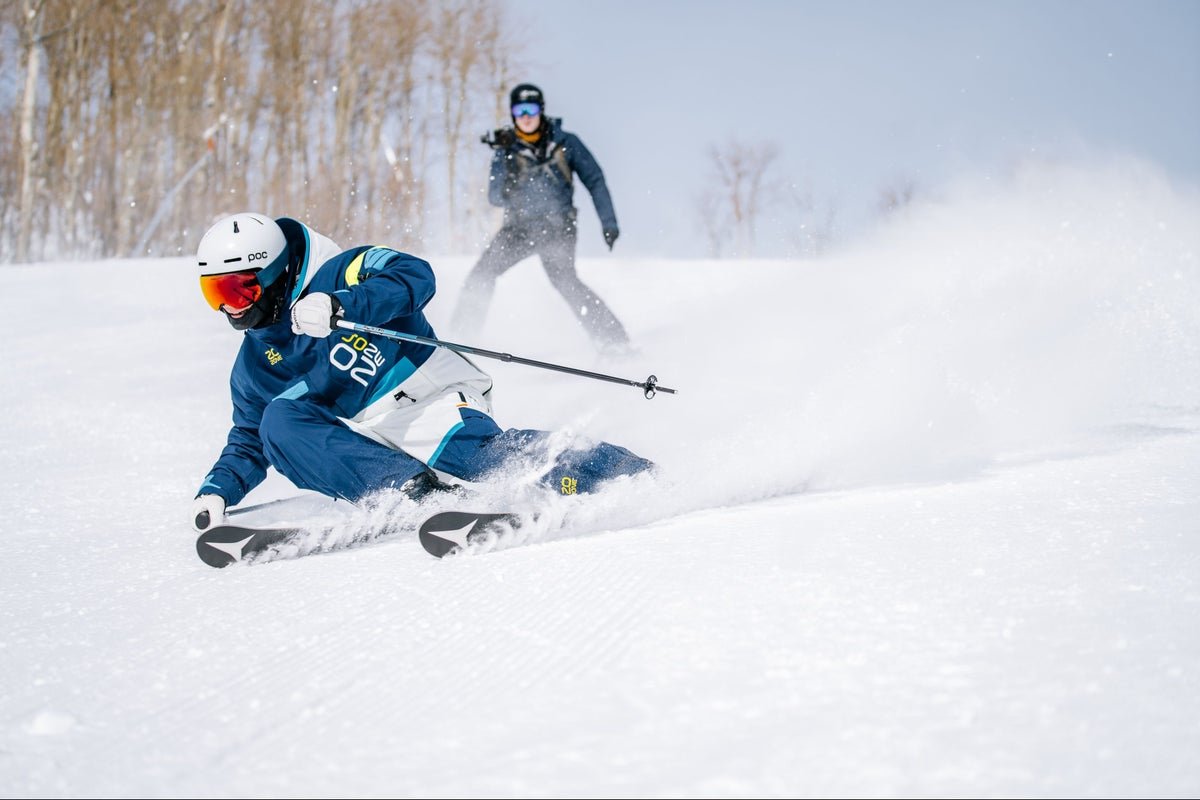
Photo of Tom Gellie from bigpictureskiing.com
Transition to Surfing
Moving to North Narrabeen brought Tom closer to famous surf spots, prompting him to surf. This new hobby complemented his skiing skills and enhanced his ability to connect with his students.
He recognized the similarities in learning challenges between the two sports, which improved his teaching methods.
Insights from Athletic Stances
Tom observed that athletic stances in skiing and surfing share similarities, especially in how they affect performance. He explored how these stances could be taught more effectively by focusing on simple, impactful techniques that simultaneously address several aspects of sports.
Growth Through Coaching
His dual involvement in skiing and surfing led to valuable coaching insights. Tom emphasizes the importance of viewing skills from different perspectives and adapting to each learner's style. He advocates for focusing on small improvements, which can significantly boost a learner's confidence and progress.
Overall, Tom Gellie' journey from starting a skiing podcast to becoming an avid surfer illustrates the interconnectedness of sports skills and the importance of adaptability and perspective in coaching.
The Role of Athletic Stance in Surfing
The athletic stance in surfing is crucial for balance and effective movement. It allows an athlete to move in any direction efficiently without shifting oppositely first. This balance is fundamental for both beginners and advanced participants in any sport.

Photo of Tom Gellie from bigpictureskiing.com
Effective Coaching for Athletic Stance in Surfing
Coaching for an athletic stance goes beyond showing it; it requires understanding the athlete's needs.
Here's how coaches can enhance learning:
Customized Coaching: Adapt coaching methods to fit each athlete's learning style for better results.
Continuous Feedback: Regular, specific feedback can help athletes correct and refine their techniques.
Commitment Over Time: Mastery of sports techniques often demands long-term training and practice.
Challenges in Mastering the Athletic Stance in Surfing
Athletes often face hurdles such as old habits or incorrect techniques that must be unlearned. For instance, Tom Gellie learned to improve his turns significantly by adjusting his pole use, showing how tailored advice can lead to breakthroughs.
Application to Surfing
In surfing, similar principles apply. Adjusting weight distribution and understanding the dynamics of board control is crucial. For instance, determining the optimal front foot placement can significantly affect maneuverability and speed. A surfer must experiment with different positions to find the most effective stance for their style and the surf conditions.
Optimizing Athletic Stance in Surfing for Enhanced Performance
The pivot point on a surfboard is critical for achieving balance and maneuverability. While it is often near the widest part of the board, variations in board design, such as rocker and contour, can shift the ideal pivot point. Surfing effectively requires precise foot placement to harness the board's full potential.

Photo of Tom Gellie from bigpictureskiing.com
Practical Tips for Foot Placement
Here are practical steps to find the optimal Athletic stance:
Marking the Sweet Spot: After riding a successful wave, mark where the front foot was positioned by scraping a line in the wax. This mark identifies the 'sweet spot' for future reference.
Continuous Adjustment: Compare foot placement on successful rides versus less effective ones. Adjust based on what feels right and does not, refining the position over time.
Surfing's Variable Conditions
Surfing presents unique challenges due to its ever-changing environment. Each wave and day can differ, making consistent foot placement tricky. This variability demands adaptability and frequent adjustments from surfers to maintain optimal performance.
Social Dynamics in Surfing
Surf culture can significantly impact the learning environment. Unlike the typically welcoming ski slopes, many surf spots can feel exclusive and less friendly, particularly for beginners.
This atmosphere can hinder new surfers from engaging with more experienced individuals who could offer valuable insights and support.
Wave Pools as Learning Environments
Wave pools offer a more controlled setting for learning and practicing surfing techniques. They provide consistent waves, allowing for repeated practice of specific maneuvers.
This environment fosters a more communal and supportive atmosphere, where learners of different levels can encourage and learn from each other without the competition for waves.
Enhancing Athletic Stance in Surfing Through Dry Land Training
Dry land training, such as using surf skates and pump tracks, is crucial for surfers aiming to enhance their performance. These training methods help simulate surfing movements, allowing surfers to refine their Athletic stance and movements without the unpredictable variables of the ocean.

Photo of Tom Gellie from bigpictureskiing.com
Benefits of Simulation Training
Simulation training offers several benefits:
Improves Foot Placement: It helps surfers find the optimal front foot position, which is crucial for effective maneuvers.
Enhances Body Posture: Surfers can maintain a more upright posture while flexing joints, avoiding the common mistake of hunching over.
Facilitates Muscle Memory: Repeated practice on dry land helps develop muscle memory, making it easier to replicate the correct stance and movements in water.
Developing Body Awareness
Body awareness is a significant aspect of sports performance, often overlooked in favor of strength training. It involves understanding and feeling the body's movements and positions, which is essential for executing sports techniques proficiently.
Kinesthetic Intelligence in Surfing
Kinesthetic intelligence (KQ) refers to an individual's ability to control their movements effectively:
Innate vs. Learned Skills: Some people naturally have high KQ, making it easier to pick up sports skills quickly. Others may need to develop this through targeted exercises.
Improvement Through Practice: Regular physical activities, such as exercises in front of a mirror or specific movement training, can enhance one's KQ, leading to better sports performance.
High body awareness can significantly enhance performance in surfing, where balance and precise movements are crucial. Surfers with better body awareness can position their bodies more effectively on the board, leading to more controlled and powerful surfing maneuvers.
Conclusion
In conclusion, mastering the athletic stance in surfing significantly enhances performance. It enables surfers to maintain balance and effectively respond to the ocean's challenges. Tom Gellie found that applying skiing principles to surfing can improve this skill.
Effective coaching, which includes personalized feedback and adaptation to each athlete's learning style, is essential. It boosts confidence and facilitates steady progress. Ultimately, a refined athletic stance helps surfers adapt swiftly and efficiently to each wave, optimizing their surfing experience.
FAQs
What is the ideal width for your feet in the athletic stance in surfing?
The ideal width varies by individual and board type, but generally, feet should be shoulder-width apart. This stance provides a balance of stability and mobility, allowing for effective weight transfers and turns.
How does the athletic stance in surfing adapt to different wave sizes?
For larger waves, a lower and wider stance can provide more stability. A narrower and more upright stance might suffice in smaller waves, allowing for quicker maneuvers and less resistance against the water.
Does foot dominance affect the athletic stance in surfing?
Yes, foot dominance impacts stance. Typically, a surfer will place their dominant foot at the back of the board for more control and power in turns, although some may experiment with different setups to suit their comfort and wave conditions.
How can surfers maintain their athletic stance during long sessions to prevent fatigue?
Maintaining core strength and flexibility through regular exercise helps. A relaxed yet attentive posture also reduces unnecessary muscle tension and conserves energy.
Are there specific exercises to improve balance for the athletic stance in surfing?Yes, single-leg stands, Bosu ball workouts and yoga can improve balance. These activities enhance core strength and stability, which are crucial for an effective surfing stance.