
022: GEE CORMACK - Surf Coach & Founder of Chix Surf School
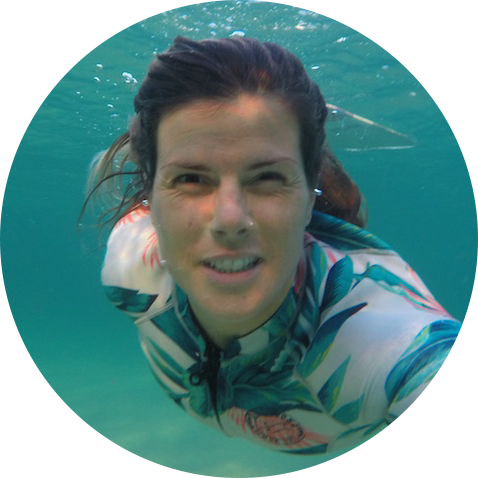
Show Notes for The Surf Mastery Podcast: Unlocking Confidence and Rhythm in the Waves with Gee Cormack
What if you could transform your surfing by discovering your unique rhythm, conquering fear, and riding every wave with purpose and confidence?
In this episode, Michael Frampton speaks with Gee Cormack, founder of Chix Surf School in Sydney, Australia. Gee shares her innovative approach to surf coaching, blending technical precision, emotional awareness, and the joy of soul surfing. From her time as a snowboarder with the Olympic development team to her experience shaping the future of women’s surfing, Gee offers transformative insights that will inspire surfers of all levels to rethink their relationship with the ocean.
Learn why emotional awareness is as important as technical skill in progressing as a surfer.
Discover how understanding your environment and your body can lead to confident and joyful surfing.
Gain practical strategies to improve your wave-reading ability, overcome anxiety, and enjoy surfing for life.
Listen now to unlock a fresh perspective on surfing, build confidence in the water, and find your soul surfer within.
Notable Quotes:
"If you can understand the ocean, you can do whatever you want with it—it becomes your playground."
"The best surfer isn’t the one catching the most waves; it’s the one with the biggest smile on their face."
"You are in control of the wave, not the wave in control of you."
"Falling is where you learn. The more you fall, the more you grow as a surfer."
"Stay immersed in the environment, even on challenging days—it’s always beneficial."
"Soul surfing is about knowing why you’re in the water and loving every moment of it."
Gee Cormack is the founder and head surf coach at Chix Surf School in Sydney Australia. Gee coaches and speaks about surfing on a much deeper level than just technique and wave selection. She helps her clients discover why they surf, and what they want to achieve with their surfing. Helping surfers to find their own rhythm by developing and combining self-awareness with ocean-awareness.
https://chixsurfschool.com.au
Gee rides - Weapon Surfboards - http://weaponsurfboards.com.au/
Wears - Ion Wetsuits - http://www.ion-products.com/
Skates - Smooth Star - https://smoothstar.com.au




Key Points
Gee Cormack, the founder of Chicks Surf School, believes that the best surfers are those who find their rhythm with the ocean and surf with a smile on their face.
Gee emphasizes the importance of understanding one's emotional state and why they surf, as it allows them to progress in their surfing.
Gee teaches her students to read the ocean conditions, such as wave size, wind direction, and tide, to understand how it affects their surfing.
Gee encourages her students to visualize themselves on the wave and commit to it, emphasizing that they are in control of the wave, not the other way around.
Gee breaks down technical aspects of surfing, such as proper pop-up technique, weight distribution, and speed generation, to help her students improve.
Gee believes that falling and making mistakes are essential for learning and progression in surfing.
Gee works closely with her shaper, Marcus Grey, to design boards that complement her students' surfing abilities and goals.
Gee's Chicks Surf School clinics focus on helping women understand why they surf and progress in their surfing through education and hands-on training.
Outline
Gee Cormack's Background and Experience
Gee Cormack is the head surf coach and founder of Chicks Surf School in Sydney, Australia.
They have nearly 10 years of experience as a surf coach and previously spent time with the Australian Snowboarding Olympic Development Team.
Gee brings a unique and refreshing perspective to surf coaching, focusing on a deeper, more poetic approach to surfing rather than just technical aspects.
Philosophy of Soul Surfing
Gee emphasizes the importance of 'soul surfing' and finding one's own rhythm in the water.
Surfers need to discover their personal relationship with the ocean, taking into account their body's unique characteristics and experiences.
Students are encouraged to move away from comparing themselves to others and instead focus on finding their own balance between their surfing ability, mental state, and the ocean conditions.
A good surfer is described as someone who 'dances on a wave,' highlighting the importance of finding one's own rhythm to achieve this graceful style of surfing.
Continuous Learning and Adaptation
Surfing is viewed as a sport where one never truly reaches a point of complete mastery.
Every day in the ocean presents different conditions and challenges, requiring surfers to constantly adapt and learn.
Confidence in one's surfing ability comes from being able to handle various conditions, but there is no stage where one knows everything about surfing.
The ocean's ever-changing nature ensures that there is always something new to learn or experience.
Teaching Ocean Awareness and Self-Awareness
A significant part of the coaching philosophy revolves around teaching surfers to read the ocean and develop self-awareness.
Time is spent with students on the beach, observing the water and teaching them to pay attention to small details.
This practice helps surfers visualize themselves on waves and understand what their bodies need to do.
Preparation allows surfers to get into a rhythm more quickly when they enter the water.
Asking oneself, 'What do I need to do to be able to ride that wave?' helps surfers combine their understanding of their body's abilities, the board's characteristics, and the ocean conditions to perform effectively.
Emotional and Mental Aspects of Surfing
Understanding the emotional and mental aspects of surfing is considered very important.
Surfing can be a form of therapy, allowing individuals to reconnect with themselves, release emotions, or find calm.
Students are encouraged to explore why they surf and what they want to get out of it.
Women often approach surfing with a different emotional perspective than men, and understanding this is crucial to their progress.
Helping surfers find their emotional connection to the sport leads to more confident and enjoyable surfing experiences.
Common Technical Mistakes
Some common mistakes observed include looking down instead of forward while surfing.
Incorrect weight distribution, especially for taller surfers, is another frequent issue.
Improper push-up technique when popping up on the board is also noted.
Inconsistent foot placement and lack of understanding about generating speed on a wave are other common errors.
Repetitive, consistent technique is stressed to build confidence and competence in surfing.
Understanding how to generate speed on a wave, rather than relying solely on the wave's power, is highlighted.
Commitment When Catching Waves
Commitment when catching waves is emphasized as very important.
Surfers are encouraged to fully commit once they have decided to go for a wave, as hesitation can lead to missed opportunities and reinforce anxiety.
Sometimes getting 'smashed' by a wave can be beneficial, as it shows surfers that the consequences aren't as bad as they might fear.
Promoting a mindset of 'just go' once a surfer has assessed the conditions and their own abilities is advocated.
Favorite Surfers and Equipment Preferences
Joanne Defay is mentioned as a favorite surfer for their competitive style and ability to read waves.
Admiration is expressed for a local longboarder who embodies the joy and grace of surfing.
Various boards are enjoyed, but there is a particular liking for a 7'6" foamy for fun surfing.
Close work with shaper Marcus Grey of Weapon Surfboards, who creates custom boards based on individual needs and goals, is highlighted.
Growth and International Expansion of Chicks Surf School
The surf school offers more than just beginner lessons, with many students staying for years working on their 'soul surfing' journey.
The school is growing internationally, with requests to conduct clinics overseas.
Successful clinics have already been held in various locations, with more planned.
The approach focuses on helping women understand why they surf and how to progress, providing a unique experience beyond basic surf instruction.
An energetic and motivational teaching style has contributed to the school's success and growing reputation.
Transcription
If you can understand the ocean, you can do whatever you want with it, and it becomes a playground. It's the most beautiful thing to enjoy.
Welcome to the Surf Mastery Podcast. We interview the world's best surfers and the people behind them to provide you with education and inspiration to surf better.
You are in control of the wave, not the wave's in control of you.
Michael Frampton
Today's guest is Gee Cormack. She's the head surfers coach and founder of Chicks Surf School in Sydney, Australia, with nearly 10 years’ experience as a surfers coach, as well as she spent some time with the Australian Snowboarding Olympic Development Team. More information about her at her website at chixsurfschool.com.au. That's Chicks spelled C-H-I-X, surfschool.com.au. And this is a really cool interview. I've interviewed a few surf coaches as well as worked with a lot of surfers coaches on my own surfing, and she brings a really refreshing perspective to surf coaching. Most of the surf coaches I've interviewed and worked with are very technical, but Gee goes a lot deeper than that. She talks almost poetically at times about surfing. I've really enjoyed this interview. I have personally listened to it multiple times, got so much out of it. Hope you guys enjoy this as well. The first seven minutes of this interview were — I made a rookie mistake. We started kind of talking shop before I had set up the audio equipment, but I managed to record some of what we talked about leading up to the mic'd interview. The audio is pretty scratchy, but I decided to include it because there's so many gold nuggets in that first seven minutes.
So please just bear with the first seven minutes in regards to the audio quality, and the rest of the podcast was done with the proper equipment. Would love to hear you guys' feedback on Facebook on this one. Enjoy.
Gee Cormack
I love free surfing. I think when you're surfing, I really soul surf. I really find what my own rhythm is, and I don't want to be in someone else's rhythm.
Michael Frampton
How do you define soul surfing?
Gee Cormack
I think what I try and teach in the school is — people naturally, as they're learning, compare themselves to other people. They sort of go, I see that person doing that out there and I want to be able to do that, or I really struggle with this and I don't see that person doing that.
So what am I doing wrong? They're naturally comparing themselves to other people. You need to find what your rhythm is in the water. You need to find what your relationship is with the ocean. All of our bodies work differently. Our bodies have had different experiences throughout our life. It's finding what your happy medium, that balance, is with you, your surfing ability, your headspace, and what the water is doing. That's a rhythm. A good surfers, a beautiful surfer, is someone that dances on a wave. You need to find what your rhythm is so that you can dance on a—
Michael Frampton
Wave. How does the concept of mastery tie in with that? If you don't like the word mastery — the concept of always improving. There's an analogy I use which is of a fruit. A fruit is always growing right until the point where it's ripe, and as soon as it's ripe, it begins to rot. Progression doesn't necessarily have to mean I'm always trying to turn better. It could be that you're getting older, but you're maintaining a certain level. That in itself is a progression. How does the idea of that fit in with not comparing yourself with others?
Gee Cormack
I think the beauty of surfing is that you never get to that stage where you start to rot, because every day is different. Every day, the ocean provides us with a different environment. It's how we adjust our surfing to accommodate for those needs. Every day, I think you want to practice something different or learn something or try a different board or deal with certain wind conditions or certain wave conditions. Even as an advanced surfers, I'm in the water eight hours a day. I'm in the water six days a week with work, and then I have a day off and I'm in the water as well. Every day, I surfers differently.
Some days I feel stiffer, so I need to surfers in a way that accommodates for the injuries that I have. It always is bringing out a different part of our surfing. When I'm doing a surf check with my students, we always look at the surfers, read what the water is doing and say, okay, this is probably something that we're going to work on today because that's the conditions that we're being given. But then when we go out there, a lot of the time the conditions tend to give us something different, and we end up working on something else because the currents were maybe stronger and that meant that the wave provided a different section to what we were expecting. I don't think you ever get to a certain stage where you're fully satisfied with the surfing because every day is a challenge. Do you know what I mean? I think you can be confident in your surfing ability and say, okay, I can do all these different things so I'm a pretty competent surfers. But whether you've ever mastery the sport or whether you're ever at a stage where you go, I know everything, I don't think — well, for me personally, I can only talk about myself personally — but I don't think I would ever get to that stage because every day is different.
Michael Frampton
Yeah, you're right, and that is the concept of mastery — is that you never get there. It's not a destination. It's always a—
Gee Cormack
Journey. And that's the great thing about surfing — is that if you can go into that headspace in the water and go, what is the ocean going to provide me with today? What am I going to learn today? You're an open book and you're always willing to accept things. And if you're open-minded in the water, you tend to notice different things. If you're closed off and you're only solely focusing on one thing, unless you're trying to do progression on something, you tend to not notice other things that actually can be beneficial.
So, yeah, I don't know. It's a difficult question. I don't think you ever really get to that stage.
Michael Frampton
Yeah, I'm just trying to — if I was to put what you just said into my own words, or into my own thoughts on progression — it sounds like learning to read the ocean and learning to be more self-aware, that's where the progression might lie.
Gee Cormack
Yeah, definitely. Surfing — anyone can stand up on a surfboard. Absolutely anyone. And so many women come to me who have been surfing for 10, 15 years and they say to me, I just can't quite get myself onto that wave at the right time. Or I just can't lock my body onto the wave properly, or I'm just missing that last section of a wave. They're not learning how to really read the water. And a lot of my work with Chix Surf School is sitting there on the beach and sitting with my students and watching the water and teaching them how to pay attention to the smallest detail so that they can then visualise themselves on the wave and see what their body needs to do. And so that when we go out there, you've kind of made that commitment to the water. And because you've visualised it, you see the wave differently. It's not such a surprise. You kind of go, yeah, no, I watched it and I imagined myself on that wave so I can kind of get an idea of what I need my body to do. And you tend to get into a rhythm much quicker than just running — I see people just grabbing their board and running out into the water. It's a very flustered, busy headspace to be in.
And then they have to resettle themselves out there. And that can take a while. If you actually stop, sit on the beach, do your stretches, look at what the water's doing, visualise yourself on the wave, you naturally are getting in rhythm without kind of realising it. You say to someone, okay, well, you know, we've got to get out the back. But you don't want to be focusing on trying to get out there. You really just want to concentrate — what do I need to do to get out there? And there's something that I use in my school all the time, and I used it on myself when I was younger and I was training — what do I need to do? What do I actually need my body to do? What do I need my board to do? What do I need the environment to do?
You know, what do we need to do to have that end result that we're looking for? And if you understand your ability, and you understand how your body works, and you understand how the board works, you can do anything. But if you ask yourself that simple question of what do I need to do to be able to ride that wave, you can actually put all of those skills together and just do it. Instead of going, what do I want to do or what should I do, you just go, well, what do I need to do to be able to ride that wave?
You know, it's a really good thing to use, I find, because if you know your body ability, then you just do it. And if you're that light in your frame of mind when you're surfing, I just — I find people surfers beautifully when they're like that.
You know, it's that real delight when they surf. They just dance on a wave because they just do it. They know what they need to do and they just do it.
Michael Frampton
So I asked you about the concept of mastery and progression. And you kind of shied away from it, I think, because it brings connotations of — when we think of progressing or being better as surfers, it's always relative to other surfers, and that can put pressure on us in the water. But then after talking with you, I sort of thought, in my opinion, people are always progressing. The concept of mastery is always running somewhere. And you sort of said it was along the lines of learning to read the ocean better and to be more self-aware.
So — and you just mentioned self-awareness in terms of people knowing what they need to do to ride a wave. And how does self-awareness fit into that equation for you, and how do you talk to your clients about that?
Gee Cormack
I think for me personally, when I'm surfing, it's all about my mental state at that time and how I can release emotion out in the water. And so a lot of people use the ocean as a form of therapy, right? It's a way that we can feel reconnected to ourselves, or we can let out aggression, or we can just calm ourselves down before starting a big day, or whatever it is. And I think that if you can really understand your environment, then you can really get the most out of it. And I think when you were asking me about mastery, I think people are forever improving, they're forever changing, and our environments are forever changing. And you can always have ideas of how good you want to be and what tricks you want to do and how you wish to surfers. But if you put too much pressure on that and too much expectation, you end up forgetting about the journey of getting there. And so I guess everyone's perception of mastery is different. What do you want to... Obviously, we're talking about the surfing side of things, but what do you want to get out of your surfing? Is it that you just want to be a good surfers that everyone looks at or pays attention to? Or is it that you want to be able to find your groove in the water and just be able to enjoy it? A lot of women that come to me are like, I just want to go out there and enjoy it. That's all I want to do. That's their end goal. If they can do that, then they're happy. And so you really need to find what that end result is — and if there is an end result — if you think that you get to a certain stage and you've suddenly got it, or whether it's something that is a lifetime goal.
So, yeah, I don't really know how to answer the question of, you know, the mastery side of it. You—
Michael Frampton
Have answered it.
Gee Cormack
I feel like I've maybe dabbled a little bit.
Michael Frampton
But... I think the concept of mastery is... I mean, mastery is a journey. It's not a destination.
Gee Cormack
Yeah. It's not there for — and kind of can't really be defined — and it's individual.
Michael Frampton
Yeah, exactly.
Gee Cormack
I can only speak about my experience. And when women come to me at my work, you know, I always say to them — they'll send me a big long email or we'll sit on the beach before a class — and I'll say, what is it that you actually want out of this?
You know, you tell me what you need and I'll see if I can accommodate for those needs, because I can only ever give you my experience, and we can try and alter that to see if it accommodates for your needs. But, you know, I feel now more than ever, with my understanding of why I surfers, I really know why I'm doing it. And that now — this is probably the most confident I've ever been with my surfing. It doesn't mean that my surfing is phenomenal or I'm the best or anything like that. But I know that I surfers beautifully because I understand why I'm out there. And that for me gives me a real sense of confidence. And I feel I'm a competent, confident surfers because I know why I'm doing it. And so for me, that's my end goal — is really understanding why am I in the water.
So — for many different reasons, as I'm sure we all do — but it grounds me.
Michael Frampton
Why do you surfers?
Gee Cormack
That's the most important thing. I have a phenomenally busy life, as we all do, but the ocean really brings me back down to the core of who I am, and to be in rhythm with something external that I can never control — you know, to put flippers on and to just move in that whitewash — I find it a really good release emotionally, and I think that it allows me to really appreciate my environment. And the really cool thing is my first daughter, who's four, she has that now.
You know, my pop, when I was two, taught me how to body surf, and he said that this is the first step to being a good surfers. You need to get in rhythm with the water, you know? And I've taken that with me my whole life — if you can understand the ocean, you can do whatever you want with it, and it becomes a playground. It's the most beautiful thing to enjoy, and I'm really at that stage now. And so I think that's why I surfers — to be able to dance on a wave and to do it with a smile on my face, and someone look at me and go, you really inspire me — is an honor.
It's an amazing feeling. So I think that's why I surfers. It makes me happy.
Michael Frampton
Awesome. So how would you coach someone to be in rhythm with the wave or—
Gee Cormack
The ocean? I think allow them to explain to me why they feel they need to be in the water. And at the beginning, it's normally just stock standard things — I don't know, I just kind of like splashing around out there, or my partner surfers and he looks like he's having so much fun — or, you know. But as we start to break that down a little bit over time, and exposure to the water, and getting them to actually see the different conditions and how we can benefit from that, they actually find their own rhythm. But you have to be vulnerable enough to do it.
You know, people really — they learn a lot about themselves and why they need to be in the water through what we do in the water. And it's really cool. It's a very different way to surfers, and they progress in their surfing with it because they're learning to get in rhythm with the ocean. As I said, anyone can stand up on a surfboard, you know. But if you can find that groove and you can learn to read the water properly, you can do anything on it.
Michael Frampton
Can we break it down a little bit? What would be some strategies to learn to read the ocean better?
Gee Cormack
Well, you know, you've got your basics of understanding wave size, wave formation — so high and low tides, wind directions, on and offshore winds — which is, you know, your stock standard stuff. Looking at those conditions every single class that we do, and then we compare them to the last class, and we say, okay, so in the last class, what did that bring out in your surfing?
And then after a class, sitting there and acknowledging that session and saying, okay, we now know that with those conditions, this is how we benefited from that, or this is what that brought out in our surfing. So they start to go, okay. And then we have another class, and they go, yeah, so the winds are onshore like they were in the last class, but the wave is slightly different.
So they're starting to see the different types of conditions and what it brings out in your surfing. It's the basics of understanding how to read the ocean. And as we start to dive into each condition a little bit more, we go, okay, so see with that swell direction on this beach, it actually provides us with more of a left-hand wave, and on the higher tide, that actually holds up a little bit more or whatever it is. And they start to piece the puzzles together. And as they're more exposed to the ocean, they're naturally progressing in their surfing. And if I get them to shift their surfing a little bit to accommodate for that wave, they're just starting to get into that rhythm. And the more they start to get into that rhythm, the more they open up to acknowledging the different types of surfers and what it brings out in their surfing and how it makes them feel. And some days when it's bigger and they're going, I'm not sure, and they naturally close off, their bodies close off and they hesitate and they start to breathe heavier — we work through that. And so we then — if it's within their ability — we get them out there, and we sit out there with them and teach them how to be confident in that environment. You don't have to catch 10 waves in this surfers. You can catch only one if that's what you want to do. We can sit out here for 15 minutes and just feel what the water's doing and time the sets and see how fast that water is coming in.
So they're learning to feel the water. I get a lot of people to just have their hands floating on top of the water and feel what it's doing. And as they do that, they relax more.
So that when they go for a wave, they're actually more confident in doing it. And I always say to almost all of my students, you are in control of the wave, not the wave's in control of you. And it's something that reflects in everyone surfing — every single person that surfers. You can see whether they're in control of the wave, and their body is strong and confident and they're feeding down the line — or they hesitate and they lean back and they tend to fall off a wave, or they miss the wave, or whatever it is, because they're closed off. They're waiting for the wave to take them, not taking the wave themselves.
Michael Frampton
Okay. That's an interesting sentence. I've never heard that before.
Gee Cormack
No, that's a little Chicks Surf School one.
Michael Frampton
You're in control of the wave.
Gee Cormack
Yeah, you are. You're in control of how you want to ride that wave, not the wave's in control of you.
So don't turn around and paddle and wait for that wave to hit you. Keep your eye on it. Find where you want to be on that wave. You pop up when you're ready and you ride down the line. You do what you want to do on that wave. Don't wait for the wave to come behind you and smack you on the back of the head, because then you have to readjust.
Michael Frampton
So that's sort of — I mean, obviously, that sentence can't be taken 100% literally — but that's how it feels when you're in rhythm.
Gee Cormack
Yeah. You're in control of what you're doing. You want to be controlled in an uncontrolled environment.
So I go down to the beach and I say, okay, these are my conditions that I have today. I can't control those conditions, but how do I control my body so that I can work in rhythm with the water and do what I want to do? You're not fighting the environment. You're trying to work with it. But you can't control what the water's doing that day.
So how do you accommodate for its needs? And if you're not fighting the water, you're in rhythm with the water. And if you're in rhythm with the water, it's a pretty enjoyable thing to do.
Yeah. I reckon.
Michael Frampton
No, I agree. I agree. It's an interesting sentence. I've never thought of it like that.
Gee Cormack
A lot of people sit there and go, hold on a second. I need to absorb that one. And I'm like, yes, absorb it, because it's a really cool thing. When you think about it like that, it makes you feel better. It makes you feel stronger and more confident. My main focus is with women. I do coach some men, and I've been coaching for ten years. For eight years I coached men and women. But my focus is women because I love being out in an all-men's water environment. I love being in the crowd of men and giving it my all. And I grew up with that. I was the only surfers in my group of friends. But I always see women sitting off the shoulder, out in the distance, looking over, wanting to catch that wave, but just not feeling confident to do it. And it makes me sad. They're just as capable of doing the things that the guys are doing. Because they sit on the shoulder, they don't catch as many waves. They don't improve as fast. It's really damaging. I've had someone come and be a part of some of my schools who's a guy. He was just doing some of the filming and stuff. He had never really been exposed to women's surfing before. And he came to a couple of the clinics. He's like, wow, they really listen and they do exactly what you want them to do. I said, well, yeah, it's that basic principle of if you give a man and a woman a surfboard, and neither of them have ever surfers before, most of the time the man will grab the board, take it out, go out into the surf and go, if I can't figure it out, I'll come to you and ask you for help. Whereas a woman will hold the board and go, okay, well, what do I do with it? They want the information. They want you to tell them what they need to do. And so their progression can be phenomenally fast. Men have that confidence straight away. Women lack it. And so their progression is slower.
So the beauty of my work is that these women progress phenomenally fast. And it's not me giving them—yeah, of course I'm giving them skills—but it's boosting their confidence. They know what to do because they listen. It's just implementing it out there. And so if we can do some on-land training—I work with a SmoothStar product, and it's phenomenal because it allows me to teach them body rotation, how to move their bodies in the water.
And then I get them to implement that in the water. It's like instant. It just works. And so the more it works, the more their confidence goes up. The more waves they catch, the better they feel.
Michael Frampton
It sounds like, and correct me if I'm wrong, but it sounds like what's holding most surfers back from your experience is the anxiety.
Gee Cormack
I can only talk about my, you know, the women that I work with. A lot of it is—yeah, I call it anxiety because it's this hesitation and this feeling of inability to do something and the nerves of their environment. There's a whole bunch of men out there, or they don't want to get—you know, most of them say, I just don't want to get in their way. And so they're not reading the crowd. I teach people how to read a crowd. How do you actually read the people out in the water? Who's a good surfers? Who isn't a good surfer? Who you should stay away from? Who you can sit closer to? You need to understand your environment so that you can surfers the way you want to. If you're out there and there's a beginner, stay away from them.
You know, they don't know what they're doing. But if they're on a wave and you know they can only go straight and you've got a right-hand option, take it. Because you know they're not going to catch that wave properly.
So you're getting more waves instantly. If there's a more advanced person and you're an able surfers, you can sit closer to them because you know they know what they're doing. They're not going to run into you and you know how to control your board and your environment. But chances are you're not going to get as many waves because they're going to be going down the line, you know.
So you need to be able to read the crowd, see who's out there. And maybe there's a really good bank and there's 15 people on it and that may be where all the waves are. But then there's another little bank that isn't as good but there's no one on it. Which one would you rather sit on? I know for me I'd rather sit on the less crowded bank, get 10 times more waves and readjust my surfing instead of fighting out in frustrating surf because it's really good and not getting anything.
You know, you need to read your environment so that we can benefit from it.
Michael Frampton
And reading the environment, it sounds like it's a key concept in the way you work with others.
Gee Cormack
Yeah, definitely. You have to be aware of your environment. Surfing is very much external, you know, and that's why I think it's so therapeutic. It's such a good way to re-heal yourself because you are still in the external environment. You're not closed off in a room where you're like, my head and blah. You're actually outside. You're around other people. You're in the sunlight. You're in a moving environment and you're connecting with something that's external, and that's instantly therapeutic, I think.
Michael Frampton
When did you see the steepest learning curve in your own surfing?
Gee Cormack
Would have to say when I started coaching, ten years ago now. And I would say that the learning curve came in my confidence.
You know, we were coaching massive hours every day in the water with only two days off every second weekend. And having that extreme exposure to the water and then having to have other people as people I had to look after in the water forced me to read the ocean in a different way. And so I started to break everything down. Instead of going out for a surfers and not really paying attention to too much except for the fact that it was, you know, three-foot A-frame wave on a beachy, you know, whatever, I had to start seeing where the danger zones are, how shallow it is, really what the ocean was doing, what it's going to do, what it was doing the night before. And being in the water every single day meant that I was in rhythm with the tides, you know. I was in rhythm with the conditions, whether it was winter or summer or onshore, offshore, whatever it was. It allowed me to adjust my surfing to accommodate for those needs. And you know, we were on foam boards. We were on big foam boards, teaching on big foam boards, and I'm a shortboard rider.
So it exposed me to a very different type of surfing. It showed me that you can have fun on anything that you ride. You just have to change your surfing. And so my surfing progressed because I really understood my environment. And, yeah, I would have to say when I started coaching, and the more I coached, the better I became. Because I... And seeing other people's mistakes, you see someone else make a mistake, you go, yeah, I shouldn't do that too. And you can see the effects of making that mistake.
So instead of someone going, you know, you shouldn't look down at your board, you should always be looking down the line at where you want to go, you're like, yeah, OK, cool. But if you haven't seen the effects of that, you kind of dismiss it a little bit until you see someone do it and you go, yeah, they fully nose-dived, you know? And you're like, OK, because if you look down, your weight goes slightly forward, it puts pressure on the nose and forces you to go down. You've got to keep your head up. It brings your shoulders back. It equals your weight out so that you can feet down the line better.
You know, all those sorts of things. I was able to break down surfing to the finest detail because I saw every kind of mistake you could have seen. And it allowed my surfing to progress because I implemented everything they did wrong in my surfing.
So I'd have to say coaching—when I started coaching.
Michael Frampton
Interesting. Would you agree with the statement that the best surfers are the ones that are able to read the ocean and the waves the best?
Gee Cormack
It depends on what you classify as the best surfers.
Michael Frampton
That's up to your...
Gee Cormack
See, yeah, I think... I have a really cheesy thing that I say to people. The best surfer isn't the one catching the most waves. It's the one with the biggest smile on their face. And I really believe that.
You know, someone can ride a wave really well, but if they're in that aggressive space, I don't think it looks right. So, yeah, it depends on what you classify as the best surfers. You have a competitive surfers who's maybe the best in the world, but do I necessarily think that they're a beautiful surfer or they're a graceful surfer or they're dancing on a wave? For me, I think that I see it slightly different. It's really about the headspace. I know a couple of beautiful longboard riders and beautiful shortboard riders, women who are so light on their feet because they love it. They love what they're doing and they're not doing it for any other reasons but to make themselves happy. And I look at people like that and I want to be that surfing. For me, they're the best surfers.
Michael Frampton
If we take that example, you mentioned the headspace. How important is that? I...
Gee Cormack
Think it's phenomenally important because for me, I think it determines how they surfers, whether they're heavy on their feet or they're light. I think when you're clear-headed and you do a single focus, you're much lighter on your feet when you surfers because your body language changes. When you're anxious or you've got a lot on your plate or you're tired or you're frustrated, whatever it is, you tend to be much more closed off when you surfers and so you're quite heavy on your feet. Whereas when you go out there and you have no expectations and you just want to be in the water and if you get a couple of good waves, awesome, that's a bonus. They're much lighter on their feet and they're more open. Their shoulders are more open. They tend to rotate much better because they're not so stiff.
So I think–––and that happens with my surfing a lot as well. I know that sometimes I'm like, I just want to nut out this one thing in my surfing, whether it's a more vertical tophand turn or whatever it is, and I'll go out there with the expectation that that's what I'm going to nut out in that surfers and when I don't, I just don't surf well. I don't surf well at all and I'll come in and friends that I surf with, they will say, like, poor dude, and I'm like, yeah, sorry. I was in my head. I was all in my head. And then other times I have no expectations, the conditions aren't that good, I just want to get in the water and I'll do things that I haven't done before and people will comment on it. You're such a beautiful–––you're such a light surfers. But for me personally, it really depends on my headspace.
Michael Frampton
Okay. Let's say you saw one of your clients stuck in that stiff headspace.
Gee Cormack
Like I do all the time.
Michael Frampton
And you wave them and what do you say to them?
Gee Cormack
I get them to start again. So I do what I do to myself is we go into the beach, we sit there, we take a breath, we pretty much, I say, just scrap that surfers session. Whether we need to go for a quick run, go and do some laps in the pool, get back in rhythm with our breathing before we re-enter the water, reassess the surfers conditions. We just sort of scrap that and start again.
Yeah, you need to reset. You have to. Otherwise you end up injuring yourself, you end up blaming yourself, and it can be really damaging to your surfing.
So many women say, I tried surfing and I tried it and I just can't get it. I can't do it. I just keep doing this or I keep doing that. And I'll say, well, to a certain extent it's your ability. But if you don't understand the environment, say you're always surfing on a low tide because it's shallower. So you go, sweet, I can stand better. So I'm going to go out in these conditions. None the wiser. It's really damaging because they're going to nose-dive and nose-dive.
So you have to get people out of the water, reset. Let's understand our environment, start all over again. And we go back out. And some days you just have that bad day. That's just the way it is. I had that with a client the other day. We went out to go for a surfers and then we were out there and she caught a couple of waves and it was fine. She's like, I'm not comfortable. I'm not feeling it today. And it wasn't big conditions or anything. She just wasn't in the right headspace. She's like, I just want to sit out here. I said, that's fine. It's fine. Hop off our boards, go for a swim. Let's just do that. I think you need to understand what it is you want to get out of that and how you can get in rhythm with the water.
Michael Frampton
Do you cue people on what to focus on when they're...
Gee Cormack
In the water? Yes. I do a thing called single focus. And I implement that on students I've had before. I can't do it on someone I've never had before. These are people where I've had them for maybe two or three classes.
So I know the things we need to focus on. And with most people, their mistakes as they advance come from their skills from the very beginning. Are they actually popping up properly? Is their hips and shoulders rotated correctly? All that sort of stuff.
So it's–––say someone just cannot seem to take a more hollow wave. They always do a heavy, straight, bottom hand turn and then the wave goes past them.
So they just can't quite get ahead of the wave. And they're like, this happens to me all the time. If I'm surfing a fuller wave, it's fine. You go, okay, well, let's see you pop up. And they'll show me they pop up. They're looking down at their feet. Of course that's going to happen. You're looking down at your feet or you're looking down in front of the board and that means that your whole body is rotated incorrectly and you're going straight.
And then you have to do a heavy bottom hand turn where you lose all your speed to then re-chase to get ahead of the wave. So let's just focus on one thing in that next surfers. And I get them to write that thing on the nose of their board where it says, look up. And for two weeks, they have to have that written on their board. Look up.
So that when they're in the water without me, it's as if I'm saying it to them. And it's just flashing there in their face. That's what I did when I was trying to progress. I would just write one thing. And once I knew that I really had that one thing, then I could move on to the next thing. But you have to see what you're doing wrong, bring it back down to the basics, fix that thing so that all that stuff further down the track instantly starts to work.
Michael Frampton
Now you said you've worked with male and female clients. But you're currently specializing and working with female clients. Now are there any gender-specific considerations that surfers coaches should take into account when coaching females?
Gee Cormack
Firstly, I do coach some men. I do a father-daughter program, which is one of my favorites. But yeah, most of my clients are women.
Something that is gender-specific...
Michael Frampton
Or maybe a better way to put the question is, do you ever see male surfers coaches just missing something when they're working with female...
Gee Cormack
Clients? Yes, yeah, definitely. A lot of my students come to me who have previously had male coaches. And I'm not saying that male coaches are bad in any way or anything like that. I have a lot of friends who are male coaches. But one thing is that when a woman sees a man do something, it doesn't build up their confidence. If a woman sees a woman do something, they instantly feel like there's a chance they could do it.
So that's where that barrier is already broken down by me being a female. And so that's kind of my–––I'm lucky in that way. But I'd have to say there are some things that are really relevant to women that aren't so much to men, and it's their mental state. Women really go into the water with a completely different outlook than men do. And I think that that's something that really hasn't been tapped into before. And I think that that's why a lot of the women are coming to the school, is understanding, why do I want to be in the water? If they can understand that, then they're more willing to go out there.
So I'd say with the emotional side of things, it's really relevant for women. Whereas in men, it's sort of–––when I'm coaching the men, it's kind of like, all right, mate, this is what I want you to focus on. And I want you to do this with your body positioning. This is the kind of wave that we have. Let's go. And they just want to go out there. Their emotional state is almost irrelevant. They're not aware of it at all. They kind of just want to get out there, want to give it their all. They get a bit frustrated. Then they do a really good wave, and they're like, yes, okay, sweet, I feel satisfied. And it's really that–––quite simple. But women, they're kind of–––their emotional state is really, I had a really bad sleep last night, or I think I'm getting my period, and so my body's sore, or whatever it is. There's always something before a class that I'm alerted on that will give me an idea of how they're going to perform in the water. And if you disregard that, then they don't feel like you understand why they're out there. And they're kind of like, it just kept pushing me onto the waves, and I didn't really want to catch those waves, or they were too big, or they were this and that. It's really damaging to their whole outlook of surfing because they feel forced to do something by someone that just doesn't understand.
So, Chick Surf School was not something I ever planned to open up, ever. One of my friends got me back in the water by wanting me to coach her daughter after I'd had my first child. And I actually coached her through my second pregnancy with a big round belly. And I then started coaching a couple of other girls and their mums and their mum's friends. And I would say to them, what is it that you need? I'm here with no expectations, and I'm just doing this because I love being in the water and I love being able to help other women. And it just grew from there.
So, through all these experiences over the last few years, every single client I've had, it's understanding their mental state that has allowed me to get them to improve. Without understanding their mental state, they don't improve, and we actually end up not working well together.
So, I think that's a really important part of it. And if you disregard the mental state, their emotional state, they're not going to progress. They're just not.
Michael Frampton
That's good advice. It's probably good advice for all surfers.
Gee Cormack
Yeah. Men surf for a certain reason. And it is an emotional outlet for a lot of men. That's why they do it. They feel grounded. We all feel grounded. You walk down to the beach, your toes touch the water, and you instantly feel connected. But whether we're aware of that or not is a completely different thing. And naturally, women are more emotional than men. We're aware of the fact that we're emotional. That's kind of the stigma of women, right? But men maybe are–––some men are maybe not as aware of their emotions, and so they don't really know why they surfers or what drives them to get out in the water. They're like, yeah, just–––you know, it's fun. And it's like, yeah, but let's–––what's deeper than that? And I can't push that. It's not in my space to push that on someone. Women have come to me as an outlet so that they can progress with their surfing, not me pushing it on them.
Yeah, big difference. It's a massive difference because I do have some girls who they just want to progress. It's all about their progression. Great. They know why they're out there, and they just do what they have to do.
So it's really technical surfing, technical coaching.
Michael Frampton
So your role as a coach is to discover their intrinsic motivation, not to motivate them.
Gee Cormack
Yeah.
Michael Frampton
And that makes sense. Yeah. It's like if you're trying to motivate someone to progress in a certain way, then you're just pushing your stuff onto them.
Yeah, exactly. But if you dig deeper and get to know them and find out why they're surfing, then, you know, they're always going to be motivated.
Yeah. And if they lose motivation, you just remind them.
Gee Cormack
That's what I'm there for. I'm their kickstart. I'm their coffee drink in the mornings at 5 o'clock in the morning. Come on, let's go.
You know, but I do these Chick Surfers School clinics, these two-day clinics where we–––it's all about high-end progression. It's really nutting out habits and understanding how we can get our bodies to shift so that we can–––because, you know, we all plateau with our surfing, right? You're kind of like, yeah, I'm progressing, and then you go, I've been in this state for like four or five months. Okay, so we do these clinics and it's all about their progression. But it's phenomenal how many clients have contacted me afterwards and been like, you know, I've had a surfers, my first surfers with you, and I sat in my car for half an hour crying afterwards because I felt so proud of myself or you made me really realize why I needed to be in the water. And that's a phenomenal thing.
You know, for me, that makes me want to cry almost because I'm so glad that these women are exploring themselves in the water and finding where their strengths and their weaknesses are and not being ashamed of those things. I always say after a surfers, let's look at what we did well. Your pop-up was great. Yes, okay, maybe we can work on this and that, but you should be really proud of yourself. You went out in those waves today and they're bigger than you've ever surfers before. Be proud of yourself. And so to end a session like that, you're kind of going, yeah, okay, I know where I need to improve. I know what I need to do, so I've got that motivation, but I did a good job. And to start your day, 90% of my work is early mornings, so for women to start their day like that, you're then embedding that into your everyday life. You bring that into your work environment. You bring that into your home environment, to the environment with your children, and that's where my work, I feel that I'm the most proud of is this is shifting their everyday life. It's teaching them to look more positively at things, and using surfing or using the water as that tool, it's such a natural thing, and I am only teaching what I've done for myself.
So to have so many women really resonate with that is a really cool thing. It's really cool because it's changing their day-to-day life, and they're loving surfing for the right reasons, and that's why I say it's about you want to be soul surfing. The best surfers out there for me is a soul surfers, because they're doing it for the right reasons.
Michael Frampton
Yeah. I find sometimes, rather than the surfer being on the path to surf mastery, sometimes the surfing or surfing itself is mastering them, whereas if the waves are bad, they're in a bad mood.
Gee Cormack
Yeah, but how can you turn that bad or negative into a positive?
Michael Frampton
Well, yeah, based on what you're saying now, it's like, well, still go surfing. Just maybe take a different board and change expectations.
Gee Cormack
Your–––yeah, definitely. Or, okay, there's no waves at all, so let's go into the pool. Let's go swimming. Let's go practice our duck diving, whatever it is. Let's go do some core stability on the beach, whatever it is. Stay within that environment, though. Don't just walk away from it. Don't look at the surfers and go, it's too big today. Okay, I'm out of here. Go and do something else within that environment so that you're not feeling defeated by it. Stay within that environment. Go do your laps in the pool, in the ocean pool, where you're still within that environment so that when you leave the beach, you still feel like you were immersed within that particular condition of that day. That's, for me, I found that was a big thing for me. It was just being immersed in that environment every single day allowed me to feel more confident.
So, even if the conditions were too big or I had an injury or wasn't in the right headspace, put my flippers on, go diving, go swim, go get sucked up and churned around in the whitewash. Just get into that environment because it's always going to be beneficial. No matter what, it's always going to be beneficial.
Michael Frampton
I agree. If there's ever a time where I don't have enough time to go for a surfers, I'll definitely just go for a quick swim. You just feel that instant connection with the ocean and you still get some of that.
Gee Cormack
You feel satisfied. And you're like, okay, I feel grounded now so I can keep going on what I need to do. You're still getting that feeling that the surfing gives you.
Michael Frampton
Now, you spent some time as an Olympic level snowboarder.
Gee Cormack
Yeah, I was with the Olympic development team for a little while.
Michael Frampton
What did you learn from the elite level sport that can be applied to the everyday surfers? I...
Gee Cormack
Think being at that higher level at a sport and dedicating everything you have to that sport, your mental state, your physical state, everything and really understanding a sport like that. I use a lot of what I experienced in my snowboarding training, in my coaching because it taught me to really understand my body and my body's ability. I was originally trained as a boarder cross rider. I'm not sure if you know boarder cross. It's a very aggressive sport. You've got five people that go down a course all at once and we wear motorbike helmets. We wear body armour. And you've got to go down this course that has berms and moguls and alligator pits and flags and all this sort of stuff. And whoever is the first two to make it down to the bottom, go through to the next round. I loved that sport. I loved the adrenaline of it. And I loved understanding how my body had to work. And so that taught me to be very body aware. It taught me to be confident in my ability. What we've spoken about is I teach that in the surfing. Understand your body's ability. Understand what you need to do out in that environment. I do some surfers fitness stuff, working on your core and all those sorts of things. Your legs, your arms, general fitness, your paddling, all that sort of stuff. But I try and work on staying focused as you're doing it, not being distracted.
So we'll get one thing to focus on, whether it's a tree or whatever. And there'll be people walking past with dogs and cars and all that sort of stuff. And you need to focus on that one thing.
So you can start to pay attention to what your body's doing. Because as soon as you lose focus, you'll go off balance or you lose that rhythm.
So I did learn that with my snowboarding. A lot of what I learnt with my snowboarding is embedded within the school. And as I said, I coach through my experiences. And my snowboarding experience through injuries as well taught me to have endurance. And taught me to focus on not using that injury as a weakness.
So, you know, I've had a knee operation, so I'm a little bit weaker on that leg. Okay, yeah, but how long ago did you have it?
Like five, six, seven years ago? Let's move past that. Let's readjust our surfing.
So that it accommodates for your injury. Not using that injury as a weak point. Because if you feel weak, you feel vulnerable. If you feel vulnerable, you hesitate. If you hesitate, you hurt yourself. That all feeds back to that whole state of anxiety. Especially with women. They're like, I've got kids and I don't want to hurt myself out in the water. You're more likely to hurt yourself if you're going out there with that headspace. A lot of what I put in the school is through the experiences of snowboarding.
Michael Frampton
So when you guys were training, obviously you did a lot of snowboarding. But you did a lot of training in a gym environment?
Gee Cormack
Yeah, with a gym environment. I preferred to train outdoors. I ran a lot outside. I did a lot of my body training outdoors. But yeah, it was very isolated solo training.
Michael Frampton
It was focused body training?
Gee Cormack
So I really like to, when I'm doing something, I really like to sit inside myself and feel the effects of what I'm doing.
Michael Frampton
But it's an interesting thing you say. When you were training. You were feeling it. A lot of people go to the gym and just watch the music videos or put headphones on. And then it's almost like, yeah, you're kind of working your body, but you're not developing body awareness.
Gee Cormack
Everyone does exercise for their own reasons. A lot of people do it to stay fit. Other people do it because they love to connect with their bodies. They love to really understand how their body works. And I am definitely one of those people.
Michael Frampton
That perspective sounds like it's a key concept for helping people or helping us be less anxious in the water. And it is a perspective, isn't it?
Yeah. It's as simple as changing your attitude. Like we use the example of training. You might go to the gym. You might say, OK, I've got to do this program. It's like, it's going to hurt. It's going to burn my legs. I hate the feeling. Or you can go like, I wonder what this is going to feel like.
Gee Cormack
Yeah, exactly. You're curious.
Yeah, and you give into it. Instead of using it as like, this is going to hurt. I'm going to be sore. I mean, I'll have an amazing body at the end of it, but you don't like the journey to get there. It's very–––I find that a really toxic way of looking at things.
Michael Frampton
But surfers can have that same perspective with the ocean.
Gee Cormack
Yeah, definitely. And you see it in surfers all the time. They're aggressive out there. God, so many people are aggressive. Most Sydney surfers are aggressive in the water. And it's funny because out of the water, they're really lovely people. And it's like they suddenly have this right to be bitter and dominating and all that. I mean, I've had guys say to me–––or people–––in my own hometown, which I grew up in, get out of here, or you don't belong here, I'm a local. And I'm like, I've lived in Manly for 32 years.
So it's this interesting side to it all where everyone is out there for a different reason. And I look at people like that and it makes me really glad to not be that person because I'm not surfing for that reason.
Michael Frampton
And from a visual perspective, that's the surfers that has no flow.
Gee Cormack
Yeah, no. Yeah, they may be hitting the lip and being aggressive and this and that. And that's great. If that's what you want from surfing, awesome. Go learn from that person. That's really good. And I'm not saying that's a bad way to surf or the wrong way to surf. That's what that person's needs are. And good for them. For me, it's just not the reason why I'm out there. And if it ever becomes the reason why I'm out there, I think my school would die. Really. I lose the soul in my soul surfing.
Michael Frampton
From a technical perspective, what are some of the most common mistakes you see people making technically?
Gee Cormack
Technically, they're pretty basic. People looking down. With an advanced surfers, a lot of the time it's actually shifting that arch in their back so that they're bringing their weight back a bit more. Especially in the guys that I coach, they're quite front heavy.
So when they do their push-up, they're not actually doing that full extension in their upper body. And if you're tall, if you're six foot two, that's a lot of weight being forced in the nose of a shortboard. And so it's giving you that time to really arch your body so that weight is shifting back. And that can be quite an uncomfortable position, especially if you're a stiff body.
So that's a really common one. I don't think people really realise the significance of a push-up. You teach people to push-up and their hands either go on the rails and they push-up, or when they push-up their arms are still pretty bent. You should really be doing a full extension because an advanced surfers, yes, sometimes they pop up really quickly, but other times they push-up and they stay in that position for a while before they pop up, before they actually bring their feet through. And it's because they're feeling the wave, whether it's taken them or not, whether the board is balanced. If the board is not balanced, you cannot get to your feet. Your feet will come in incorrectly.
So your push-up is a really important part of standing up, and I think a lot of people disregard it a lot. So looking up, making sure your push-up is really stable and you're extended correctly, and making sure your feet come through in exactly the same position every single time.
So a confident surfers is a competent surfer. So you need to make sure that your technique is repetitive. A lot of people, even as old fellas, they go, yeah, sometimes I got it, sometimes I pop up, and it just all works. And other times, it's so embarrassing, I fall over myself. And it's because they don't actually know where their feet go.
So if you're probably thinking about it right now, where do my feet go? Where is the exact position that my front foot goes? What angle should my foot be in? All that sort of stuff. A lot of people focus more on their front foot than their back foot, and your back foot is key to being able to surfers your board properly.
I mean, both feet are obviously important, but if your back foot isn't in the right position, it's really damaging for your surfing. So obviously don't want to give too much away. But there are technical things, you know, when you're trying to create something of a wave. A lot of people just go down the line, and they have the idea that a wave generates speed. We actually generate speed on a wave. We create speed on a wave. Not the wave creates speed for us. We actually have to generate speed.
That's why you pump down the line, to then do that big end turn. You can't just go straight down across a wave, and then try and turn, and actually try and bring it all the way back around. You haven't generated any speed.
So I think that's another thing that people don't quite understand, is how important speed generation is. Not opening up your shoulders. That's another really common one. Lots of people say yeah, my toeside turns are fine. I don't mind going on my front side, but my backside? No, I'm not very good on my backside. My backhand turns? No, they're not very good. There's a reason for that. 90% of people, when they're learning how to surfers, or they're progressing with their surfing, they'll choose to go on their toeside or their front side, not their backside. And there's a reason for that. I can go into the mindset of surfing, but then I'm able to break down a lot of the technical stuff when it comes to what our body needs to do out there. Because I see it, and I've seen it for 10 years.
Michael Frampton
Do you find some of these technical aspects improve themselves once you get deeper into why they're surfing and their awareness and things?
Gee Cormack
I don't think you can do one without the other. So I can't say to someone, you need to understand emotionally why you're out there. They're not going to improve. They will improve on that side of things, but you then need to link that with what they're doing incorrect. You can't quite lock onto a wave. Why is that? What do we need to work on? And how do we then complement that with being in the right headspace? So you've got your technical side, you have your emotional side. If you can mush those together, you've got a phenomenal surfers. But if you do one without the other, I feel your progression is much slower. So many women say to me, I ask this person, how do you get better at surfing? And he'll say, it's just time in the water. It's just time in the water. You just got to spend time in the water. The more time you spend in the water, the better you'll get. And how do I ride my board better? You just pop up. You just get up. That's really actually not helpful at all. They don't know what to tell that person because they actually haven't thought about that before. They actually don't know what they're doing. They may be a good surfers, but have they actually thought about it? I started surfing when I was about five. And so it is a natural thing for me. And coaching was great because it taught me to understand what was I actually doing. Before that, I had no idea. I could just do it. You need to give someone confidence with information as well. You've got to inform them as to why something is happening so that they know what they need to do. It all comes down to, what do I need my body to do? If you understand your environment, you understand your ability, what do I need to do to ride that wave? Not just look at it and go, I'm sure the more I look at this, it's going to start to make sense, right?
Michael Frampton
It's a combination.
Gee Cormack
It's a combination of being educated and understanding your ability, physically and mentally, understanding your ability. One doesn't work without the other. I feel one. I'm sure you can be educated on how to do what you need to do, but then I think you're a solo surfers. If you put the emotion in there, it allows your body to flow.
Michael Frampton
Do you use video coaching for self-awareness?
Gee Cormack
I do a lot of surfers analysis, yeah. When someone's in the water, we film them and then we break down that video and allow them to see what their body's doing wrong, but you can see a shift in their mental state. A lot of women will catch waves, paddle, and go, ooh, and sort of pull off. Or paddle, and stand up and go. You can see instantly, you can see their face change.
Michael Frampton
When you're analyzing video, you're not just talking about what they were technically doing, but do you remember how you felt about that wave and why you made that decision and you're getting deeper into that.
Gee Cormack
Yeah, definitely. Because if you hesitate, and that's where it comes down to you're in control of the wave, not the wave's in control of you. If you hesitate, the wave will go past you. It will either suck you over the falls or you'll miss it. If it sucks you over the falls, the more times you get sucked over the falls, the more damaging it is. The more you hesitate, the less you'll catch waves. These things all have a pattern. If you're going in, I always say to my students, you see that wave? If you turn around, you're committed. There's no going back. So if you're not sure, don't turn around. Which means you have to read the water properly. You have to read that wave properly because if you're turning, I'm gonna make you go. And if you hesitate, I'm gonna push you. I will push you onto that wave so that you, you've made that decision, you have to go. You need to make sure you know your ability and you've read the wave correctly. So it's these steps that I take very slowly with people which builds up their confidence through the knowledge of understanding what they need to do.
Michael Frampton
So you're coaching commitment as well?
Gee Cormack
Yeah, definitely. Definitely. Commitment is a big thing. And I remember I had gotten to a pretty good stage with my surfing and I was a young teenager and I was out there at North Stain and it was about five, six foot. And it was big for me. I was like, really feeling unsure and paddled for a couple of waves, and pulled off. Paddled for a couple of waves, and pulled off. And there was these guys around me that would have gone. And I did it again. I paddled and pulled off at the last moment and a guy came up to me and lost it at me. He said, if you're going to paddle for a wave, you go or don't go at all. And I was like, and I ended up in tears and I went into the beach. This guy yelled at me, blah, you know. But it's true. If I turn around and go for that wave, I take it. Because if I keep pulling off, not only does someone else lose the wave, the chance of catching the waves, but I'm actually feeding to my anxiety and it creates a bad habit where I think that that's okay. And really, what's the worst that can happen? I'm going to go over the falls. I used to snowboard. If you fell, you hurt yourself. It's water. It doesn't, to a certain extent, it doesn't hurt. And if I've read the conditions correctly and I'm within my comfort zone, I should be okay. So I need to just go. And women say to me all the time when I've got more advanced students and we're in big surfers and they say, what do you do when you're going for that wave? What is it you think? And I'm like, just go. That's all I think. I just go. Because I've assessed the surfers. I've assessed the crowd. I understand my environment. I know my ability. So I just go. And again, that's a very light way to think when you're out there and you've got all these things going on and all these waves and all this water and all this stuff. Just go. What do you have to lose? So sometimes getting smashed is the best thing because it shows you how bad it can be and if you're okay, it's really not that bad. Yep.
Michael Frampton
Yeah. If you just go and you fail, you still learn.
Gee Cormack
Well, I literally said this to two of my students yesterday. I said, if the conditions are too easy and you guys can ride these waves, there's nothing I can teach you. These were to women who were more advanced, intermediate to advanced. I need you to fall and make mistakes so I know what you're doing wrong. You don't learn from riding a wave. You learn from falling. That's where you learn. So the more you fall, the more you learn.
Michael Frampton
Who's your favourite surfers?
Gee Cormack
Probably, I don't know. I have different surfers that I love for different reasons. In the competitive side of who I am with my surfing, which is a big part of my surfing, even though it seems like I'm a super mellow surfers, I have that competitive drive quite a lot. I would have to say Joanne Defe. She's just... I've actually become friends with her, which is amazing, but she's phenomenal. She's just glued to a board. The way she surfers, she's amazing. You can see her reading that wave and lining herself up to do exactly what she wants to do. So I really admire her. She's such a nice person as well. But she surfers tiny surf, big surf, all sorts of surfers, because she just loves it. So I'd have to say competitive-wise, and for my competitive surfing, I find her very inspirational. But then there's a woman that surfers here at Mona Val who's on a longboard, and she's... I'm not going to say her name, but she's out there every day, and she's older than I am. She's... Yeah, I'm not going to guess. But she's beautiful. She just dances on a wave, and the way that she rides her mouth is... It's like a dream, you know? She's just gliding, and she turns, and her body bends, and she just does it with a smile on her face. And she's out there every day. I say it every day that I'm coaching, she's out there, rain, hail or shine. And she's such a lovely person as well. And I hope that I have that mentality at her age. I really hope that I love it as much as she does at her age because, especially for my daughters, you know, I would love them to see that part of my surfing. So, yeah, there's different people for different reasons.
Michael Frampton
Yeah. What about... Do you currently have a favourite surfboard?
Gee Cormack
I would actually have to say no. I don't.
Michael Frampton
What are you currently riding?
Gee Cormack
Well, I'm in the water every day. I ride a different board almost every hour. Fun-wise, I would have to say my 7'6 Foamy. I love that board. It is so much fun. I mean, obviously, I'm on it for work, but it's just... 7'6 is probably one of the funnest sizes ever. I find anything bigger than an 8, I struggle with. There's just too much nose in the board. And so, yeah, probably Mini Mouse, fun-wise, you know, really just doing it for a laugh, I'd have to say my 7'6 Foamy. I have my shortboard, my 5'8, which is super fun. But I've just gotten a 5'5 Torpedo shape, and it's... That thing gets on anything. And it's got quad fins, and it's super loose, but allows you to... You can drive into turns, but then when you get those fins out of a wave, it just slides. So that's... That's a good challenge for me, because it really forces me to stay low. But it depends on what I want in my surfers. It really does. Like, if it's a one-foot day, get on a Mal. Super fun. I'll surfers. As I said to you before, I'll surf anyone's board. And I'll have a laugh doing it, whether it's a Foamy, whether it's a 9'6 Mal, you know, whatever it is, as long as I'm out there, I'll surfers anything.
Michael Frampton
Shout out to your shaper. Who's your shaper?
Gee Cormack
Yeah, Marcus Grey, Weapon Surfboards. He's... He really is amazing. He... I've been working with him for a while. Quite a few years, actually. I would say close, yeah? Ten... I would say about ten or so years. And we just play, you know. I say to him, you know, I want... You know, I lived in Bali for many years, and I would come home and say to him, I just really want to focus on this one thing for the next four months, this one thing in my surfing, and we'd shape a board just for that, you know. Or I've had two kids, and so... So he would then make boards that were more buoyant and could accommodate for me getting my body back in the water, or, you know, our next one is we're going to make a little fat round thing that's, you know, just going to be super cruisy. But we're always playing around with shapes, and he knows me, he knows my ability, he knows my background, he knows my injuries. And I am so grateful that I have that relationship with him because he... He now shapes a lot of boards for my clients as they progress, and it's great because I can tell him their history. I can tell him their surfing and why they're out there and why I'm recommending a certain shape. And so, you know, one of my students, Em, she just got the sickest board for her 17th birthday. And she was coming to me three days a week, and she was on a shortboard, and we've actually gone to a mini-mal because I don't think the shortboard complements her surfing. And Marcus, for her 17th birthday, just made her a board, and we went out on our first surf on it last week, and it was probably one of the best waves she's ever caught, you know. And that board just is everything we could have asked for it to be. And it was great because I was able to tell him where she sat with her surfing, what she wanted out of her surfing. And it's phenomenal that I can have that relationship with my shaper where he looks after my students as well. And he's willing to experiment, which I am as well. I love... I'll ride anything, so let's make anything. That's what I reckon. Yeah. Yeah, well, they trust me.
Michael Frampton
It's awesome you can do that with your clients as well.
Gee Cormack
My school, yes, I do have your beginner options, your beginner group lessons and your one-off classes. It's really not what people come to me for. So I have my students for a year, two years, three years, whatever it is, because it's that ongoing ambition to want to soul surfers, you know, and that's something that will take forever to find. And if I can make it enjoyable along the way, that's great. So, you know, if we can be on boards that complement that, even better.
Michael Frampton
Cool. And where can people find you online?
Gee Cormack
If you go to chicksurfschool.com.au.
Michael Frampton
Spelled?
Gee Cormack
C-H-I-X surf school. Yeah, you can find all the information is on there. The site is forever changing, because I have all these different little projects that I have going on at the moment, which is really exciting. The school is growing and growing internationally, which is cool. Yeah, well, I get a lot of people from overseas emailing me and asking me questions, whether I've coached a friend of theirs or they've been referred to me. Like, you know, they've... And they'll send me emails, this is happening to me and I don't really understand why, or, you know, my friends come to you and she said this, and, you know, so I've put these clinics together, the Chicksurf School clinics, and there's people overseas asking me to go over there, you know, and it's becoming almost, you know, quite a few times a week occurrence that people in similar areas are trying to convince me to come over and do clinics over there, to bring the products that I use over there and give them a taste of what we do. And so, you know, I've done it. We had a really successful clinic down in Marimbula, which was phenomenal. The women were amazing and we had a huge group of women and they all just killed it. They did so well. And, you know, we've done an Aladala clinic and we've done a couple more on the south coast. We're about to do a Foster clinic, we're going to do a Batemans Bay clinic and these women... You know, women talk. They talk. And so the word is getting out there that there's this experience where you can really understand why you're surfing and there's nothing like what we're doing out there at the moment. There just isn't, you know. It's always yeah, come and do a learn to surfers camp or come and have a great surfing and health retreat or, you know, something like that, where it's not necessarily about understanding why we surf and progressing at the same time, but just going out there, catching a couple of waves, high five, you did a great job, woohoo, yay. That's kind of as far as it goes. But how can we go to a clinic, learn about our surfing, see what we're doing wrong, understand how our body needs to change and then be given homework to keep progressing when that coach isn't around? That's cool, you know. That's a really cool thing and it's getting women motivated to be out there, to want to push themselves in a safe, educated, safe environment. So, I don't know. I guess I'm a little bit of a kid in that way where I'm like a little ball of energy as well, so I just get girls super pumped.
Michael Frampton
Awesome. Well, I'll put links to your website and everything else we've spoke about in the show notes. And I really appreciate you taking the time to let me pick at your brain about surfing. I've learned a lot from me personally as a surfers and how I work with people as a surfers coach as well. You've definitely made me think differently. I really...
Gee Cormack
Appreciate that perspective.
Michael Frampton
It's awesome and hopefully the listeners feel the same. Please let us know some feedback.
Gee Cormack
Yeah, that'd be cool. No worries. Thank you for having me.
Michael Frampton
Awesome, thank you so much. See... Right, thanks for tuning in everyone. Hope you enjoyed that. Would love to hear you guys' feedback on Facebook. That'd be awesome. We had 100,000 downloads a couple of weeks ago, so big thanks to everyone who shared this podcast with their friends, et cetera. I would ask you guys, can you please just rate and review on iTunes? That helps a lot. People can find it and the more people that find it, the more people that listen, the more guests I can get and the higher quality guests I can get as well. So, thanks. Until next time, get in the water.
Thanks for tuning in to the Surfers Mastery Podcast. Again, I'm your host, Michael Frampton. Make sure you subscribe so you can keep up to date with the latest interviews. Please share with your friends. Check us out on Facebook at Surfers Mastery Surf. And if you're on iTunes, please go and give us a little rating. That'd be awesome. Until next time, keep surfing.