
73 The Details feat Tom Carroll
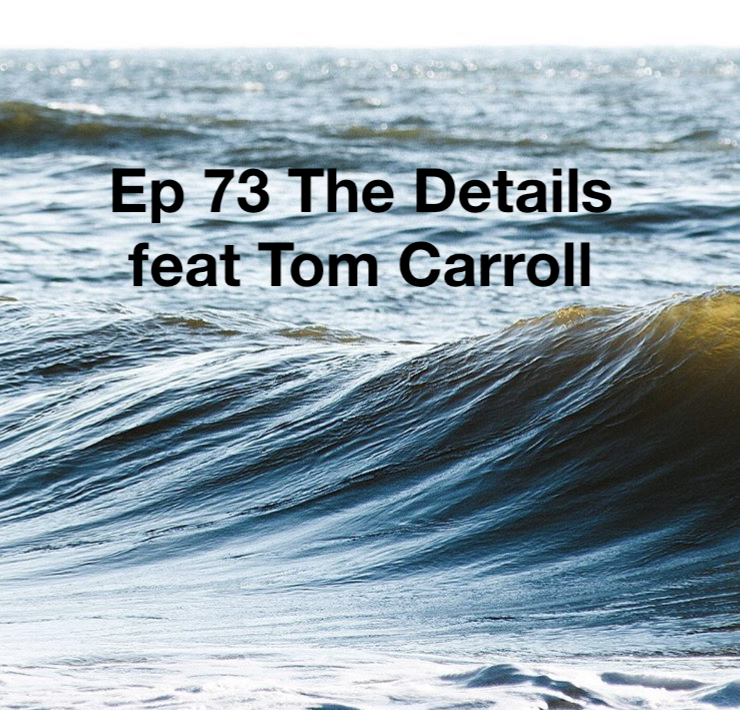
Do you feel stuck and frustrated on soft, small waves — while others somehow glide and carve like it's head-high?
In this episode, I share the exact perspective shift that turned my small-wave sessions from disappointing to transformative — all thanks to one insight from surf legend Tom Carroll. By learning to see the water differently, you'll tap into a whole new way of surfing that most people completely overlook.
Learn the subtle water cues and light shifts that signal your best opportunity to turn or drive
Understand how secondary swells, chop, and refracted energy create hidden power zones
Hear how refining your visual awareness on small days can massively boost your confidence on bigger ones
Press play now and start surfing soft days like a technician — not a tourist.
iTunes: https://podcasts.apple.com/nz/podcast/podcast-surf-mastery/id1088660076?i=1000363823238
Spotify:
https://open.spotify.com/episode/3Vy2AwetfV04oHJeNK56Z3?si=8v2ocwxbS1CC2TFnsH6jiQ
Key Points
Understanding the importance of momentum and water movement in surfing, especially on small, less powerful waves, is crucial for gaining an advantage.
Focusing on smaller waves and ripples can help surfers better understand and interact with water movement.
Surfers should look for changes in light on the water to identify potential wave movements and opportunities.
Michael's perspective on surfing changed significantly after a conversation with Tom Carroll, leading to a major improvement in his surfing ability by paying attention to finer details in water movement.
When surfing small waves, it's important to recognize the various interactions between the main swell and other water movements like wind chops and secondary swells.
Timing turns, such as top turns and bottom turns, based on the alignment of wind chops with the main swell or the interaction of refracted swells with the wave bottom, can enhance surfing performance on small waves.
Michael uses the analogy of downhill mountain biking to explain the importance of focusing on the finer details of the wave, similar to how a biker focuses on the width of their tire on the track.
Michael encourages surfers to pay attention to the finer details of the wave and provides a reference to Tom Carroll's advice in episode number two for further learning.
Outline
Understanding Water Movement in Surfing
Tom emphasizes the importance of understanding water movement in surfing, especially on small waves with little power.
Tom suggests that surfers should look for momentum in the water to carry them into the next turn.
A finer view and eye for water movement help surfers understand and make it second nature.
Michael highlights the significance of looking for smaller waves and ripples on the small wave.
Tom explains that surfers should look for changes in light on the water, indicating water movement and potential bumps from wind chop or doubling waves.
Impact of Tom Carroll's Advice on Michael's Surfing
Michael recalls a quote from Tom Carroll in episode number two, which was a major turning point in Michael's surfing life.
The advice to look at finer details and water movement significantly improved Michael's surfing.
Michael was initially frustrated with small, knee to waist high waves but found inspiration in Tom's ability to surf these waves effectively.
Michael credits Tom for helping them realize that there is more happening in the water than just the main swell, including wind chops, secondary swells, refracted swells, and backwashes.
Techniques for Surfing Small Waves
Michael advises surfers to look for the interaction between the main swell and finer details like wind chops and refracted swells.
When a wind chop lines up with the crest of the main swell, it is the ideal time for a top turn.
When a refracted swell interacts with the bottom of a wave, creating a bit more draw, it is the ideal time for a bottom turn.
Michael uses the analogy of downhill mountain biking, suggesting surfers should focus on the details of their tyre's path rather than the entire track.
Transcription
Tom Carroll
Particularly on little waves that have got no power and we're looking for opportunity. So just to get that momentum going, it will carry you into the next turn. So with a finer view for that and a finer eye for that, we get to sort of, you know, understand water movement that much better because a lot of surfing is all about understanding water movement and making it second nature. You're almost looking for... the little... the smaller waves and ripples on the small wave. We're kind of looking for water movement to catch. We're looking for that sort of change in light on the water, the way the light’s bouncing off the water, and then you get a... that moving lump can mean a bump coming the other way from a wind chop or something doubling over itself. Sort of doubling up on itself.
Michael Frampton
That's a quote from Tom Carroll back in episode number two. And that one little piece of advice, that perspective change—it truly was a major turning point in my own surfing life. Just really starting to look at the finer details and the way the water moves and the way that waves interact with each other. And because I remember what sparked that part of the conversation was I was surfing and the waves were small—knee to waist high. Soft, small waves. I was very frustrated, having trouble just catching the waves, let alone surf them. And Tom paddles out and just starts tearing the absolute bag out of these tiny little waves. Just full roundhouse cutbacks, just having the time of his life. And here I was, just frustrated, could barely even catch these waves. Big thanks to Tom for doing that episode back then. And just sort of narrowing in how there was a time where he was just as frustrated as I was. And he goes into some of that detail in that episode. But, you know... when you start looking, first you need to realize that if you're surfing and there's a two-foot swell coming in, there's so much more happening in the water than that one two-foot swell. There's wind chops, there's secondary swells, there's refracted swells, there's backwashes. And if you're not looking for the way that main swell is interacting with those more finer details and those subtleties, you're just not going to be able to surf those small waves properly. So when you see that wind chop—that little wind chop—line up with the crest of the main swell, that's when you want to be doing your top turn. Or you see the refracted swell interacting with the bottom of a wave and there's just a little bit more draw off the bottom—that's when you want to do your bottom turn. An analogy I sometimes use with clients is the downhill mountain biking one, which—the track, the downhill track itself—may be two foot wide, and you certainly want to be aware of that track, but you really want to narrow your focus into the width of your tyre. And you want to be looking at the details of where that wheel is going to be going and how it's going to interact with that small part of the track. So I urge you, next time you go surfing... just look at the finer details on the wave. And if you want to listen to more of Tom's advice back in episode number two, there's links to that in the show notes.
73 The Details feat. Tom Carroll
For the passionate surfer—whether you're a weekend warrior, a surf dad, or an older surfer—this podcast is all about better surfing and deeper stoke. With expert surf coaching, surf training, and surfing tips, we’ll help you catch more waves, refine your paddling technique, and perfect your pop up on a surfboard. From surf workouts to handling wipeouts, chasing bigger waves, and mastering surf technique, we’re here to make sure you not only improve but truly enjoy surfing more—so you can get more out of every session and become a wiser surfer. Go from Beginner or intermediate Surfer to advanced.